Hair Mask for Humidity Damage: How to Repair Dry, Frizzy Hair in Singapore’s Climate
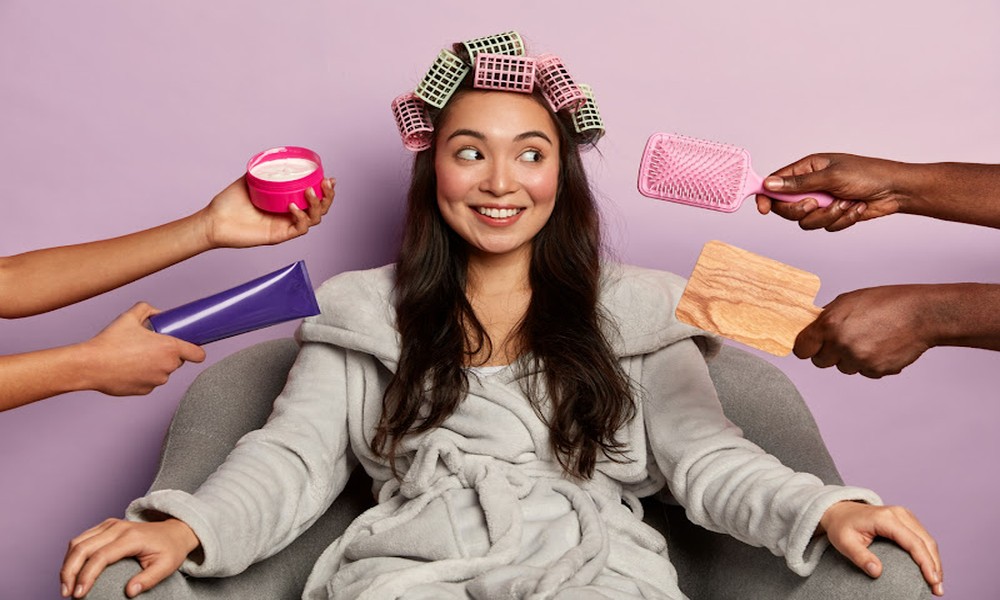
If you live in Singapore, you know the struggle. You step outside with perfectly styled hair, and within minutes, it’s a frizzy, unmanageable mess. The humidity doesn’t just make your hair look bad-it actually damages it over time.
Here’s what most people don’t realize: Singapore’s tropical climate (with humidity levels regularly hitting 80-90%) isn’t just annoying for your hair-it’s actively breaking it down. The constant moisture swelling and shrinking of hair strands weakens the cuticle, leading to dryness, breakage, and that perpetual frizz you can’t seem to tame.
But there’s good news. With the right repair strategy and targeted treatments, you can restore your hair’s health and actually make it humidity-resistant. Let’s talk about how.
Why Singapore’s Humidity Destroys Your Hair
It’s not just about frizz-it’s about structural damage.
When humidity is high, moisture penetrates your hair shaft, causing it to swell. When it dries out (hello, air conditioning), it contracts. This constant expansion and contraction weakens the hair cuticle-the protective outer layer of your hair.
What happens to your hair in humid climates:
- Cuticle damage: The outer layer lifts and becomes rough
- Moisture imbalance: Hair can’t regulate hydration properly
- Protein loss: Weakened structure leads to breakage
- Frizz formation: Damaged cuticles allow moisture to penetrate unevenly
- Loss of shine: Rough cuticles don’t reflect light smoothly
- Increased tangling: Lifted cuticles catch on each other
Additional damage factors in Singapore:
- UV exposure: Intense tropical sun breaks down hair proteins
- Chlorine: Frequent swimming in pools strips natural oils
- Heat styling: Trying to fight humidity with flat irons causes more damage
- Air conditioning: Constant indoor/outdoor transitions stress hair
- Pollution: Urban environment deposits particles on hair
Signs Your Hair Needs Deep Repair
How to know if humidity has damaged your hair:
Texture changes:
- Hair feels rough or straw-like
- Increased dryness despite using conditioner
- Tangles easily, especially when wet
- Lacks elasticity (breaks instead of stretching)
Visual signs:
- Persistent frizz that won’t smooth down
- Split ends and breakage
- Dull, lifeless appearance
- Uneven texture (some parts smooth, others rough)
- Color fading faster than normal
Styling difficulties:
- Products don’t seem to work anymore
- Hair won’t hold styles
- Takes longer to dry
- Feels heavy or limp despite being dry
The Deep Repair Strategy for Humidity-Damaged Hair
You need more than a regular conditioner.
The daily conditioner sits on the surface. Deep repair treatments penetrate the hair shaft to rebuild damaged structure from within.
What deep repair actually does:
Cuticle smoothing:
Seals lifted cuticles to create a smooth, protective barrier against humidity.
Moisture restoration:
Replenishes lost hydration and helps hair maintain proper moisture balance.
Protein rebuilding:
Repairs weakened hair structure with strengthening ingredients.
Barrier protection:
Creates a protective layer that prevents future humidity damage.
The 4-Week Hair Repair Protocol
Week 1: Initial intensive repair
What to do:
- Use deep repair treatment 2x this week
- Minimize heat styling completely
- Apply treatment to damp (not soaking wet) hair
- Leave on for 10-15 minutes
- Focus on mid-lengths to ends (avoid roots)
What to expect:
- Hair feels softer immediately after treatment
- Slight reduction in frizz
- Easier detangling
Week 2: Continued repair + protection
What to do:
- Deep treatment 1-2x this week
- Start incorporating leave-in products
- Continue avoiding heat when possible
- Protect hair from sun with hats or UV sprays
What to expect:
- Noticeable improvement in texture
- Reduced breakage when brushing
- Hair holds moisture better
Week 3: Strengthening phase
What to do:
- Deep treatment 1x this week
- Add protein-rich products if hair feels weak
- Gentle heat styling okay (with heat protectant)
- Trim split ends if needed
What to expect:
- Significantly smoother texture
- Improved shine and light reflection
- Less frizz in humid conditions
Week 4: Maintenance + results
What to do:
- Deep treatment 1x this week
- Establish ongoing maintenance routine
- Assess progress and adjust as needed
What to expect:
- Hair feels strong and resilient
- Manageable even in high humidity
- Visible improvement in overall health
The Deep Repair Treatment That Works
Formulated specifically for damaged, frizzy hair:
Deep Repair Hair Mask is designed to deeply nourish, repair, and strengthen dry or damaged hair caused by heat styling, coloring, chemical treatments-or Singapore’s relentless humidity-one of the main causes behind frizzy hair. This intensive treatment helps restore softness, strength, and manageability, transforming rough strands into smoother, healthier-looking hair in as little as 4 weeks.
The moisture-repair formula:
Shea Butter:
A rich emollient that locks in hydration and prevents further dryness-essential for humidity-damaged hair that’s lost its ability to retain moisture.
Panthenol (Vitamin B5):
A hair-conditioning powerhouse known for moisture retention and strength support. It improves hydration levels, smooths the cuticle surface, and increases flexibility to reduce breakage.
Hydrolyzed Wheat Protein:
Penetrates the hair shaft to rebuild damaged structure, strengthen weak areas, and improve elasticity.
Botanical extracts:
Including Centella Asiatica and Camellia Japonica to support hair strength and resilience with continued use.
Why this formula works in Singapore’s climate:
- Deep nourishment: Replenishes moisture lost to humidity cycling
- Cuticle sealing: Smooths rough, lifted cuticles
- Strength restoration: Rebuilds weakened hair structure
- Frizz control: Creates protective barrier against humidity
- Enhanced manageability: Makes styling easier despite the weather
Clean, safe formula:
Artificial coloring free, paraben and sulfate free, SLES and SLS free, cruelty free, mineral oil free, and laboratory tested.
Supporting Hair Health from Within
External treatments work better with internal support.
While topical treatments repair damage from the outside, your hair also needs nutritional support from within. Collagen provides the building blocks for strong, healthy hair structure. Biotin helps your body break down keratin so it can be used effectively in your hair. And a complete spectrum of vitamins-including Vitamins A, B, C, D, Iron, Calcium, and Zinc-supports hair follicle health and growth.
Vitamin D is particularly important in tropical climates. It stimulates new and old hair follicles, and deficiency can stunt hair growth or trigger hair loss. Combined with external repair treatments, internal nutritional support creates a comprehensive approach to restoring humidity-damaged hair.
Daily Habits to Protect Hair in Humid Climates
Prevention is as important as repair:
Morning routine:
- Apply leave-in conditioner to damp hair
- Use anti-humidity serum on mid-lengths to ends
- Air dry when possible (heat adds stress)
- If blow-drying, use cool setting at the end to seal cuticles
Throughout the day:
- Keep hair tied back in humid conditions
- Use silk or satin scrunchies (less breakage)
- Avoid touching hair excessively
- Carry a small amount of smoothing serum for touch-ups
Evening routine:
- Brush gently with wide-tooth comb
- Apply light oil to ends if needed
- Sleep on silk or satin pillowcase
- Loose braid for long hair (prevents tangling)
Weekly maintenance:
- Deep repair treatment 1x per week
- Clarifying shampoo every 2-3 weeks (removes buildup)
- Trim ends every 6-8 weeks
- Protect hair during swimming (wet hair first, apply conditioner)
What Not to Do
Common mistakes that make humidity damage worse:
Over-washing:
Strips natural oils that protect against humidity. Wash 2-3x per week maximum.
Hot tools without protection:
Always use heat protectant spray before styling.
Skipping conditioner:
Even if hair feels oily at roots, ends need moisture.
Brushing wet hair aggressively:
Use a wide-tooth comb and start from the ends, working up.
Using products with alcohol:
Drying alcohols (like SD alcohol) worsen dryness.
Tight hairstyles:
Constant tension causes breakage at the hairline and crown.
The Bottom Line
Singapore’s humidity doesn’t have to mean permanent frizz and damage. With a targeted 4-week deep repair protocol using intensive treatments like moisture-repair hair masks, you can restore your hair’s health, smooth damaged cuticles, and create a protective barrier against future humidity damage.
The key is consistency-weekly deep treatments, daily protective habits, and internal nutritional support work together to transform dry, frizzy, humidity-damaged hair into smooth, manageable, healthy-looking hair that can actually withstand Singapore’s climate.
When you choose quality hair and beauty supplements, look for formulas that support hair health from within while using external treatments that repair and protect. Your hair faces unique challenges in tropical climates-give it the specialized care it needs.




-
Back Restore Reviews: Does It Decompress Your Spine?
As a senior game developer and testing lead, my daily life revolves ... -
-
-
-