What Causes Hair Transplant Failure and How Can You Prevent It?
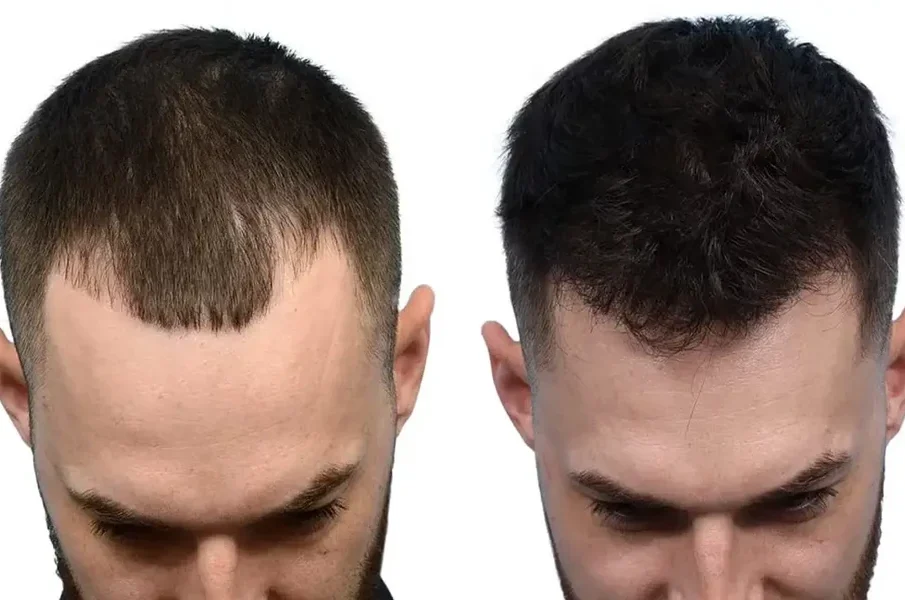
A lot of people consider a hair transplant as a life-changing remedy for those who are suffering from balding and thinning hair. The modern methods can provide very natural and permanent results, but not every transplant is successful. Sometimes, patients have weak growth, disfigured hair, scarring, and irregular hair distribution. These situations are referred to as hair transplant failures.
Many people aren’t aware that problems with hair transplants are not usually caused by a single problem. In most cases, it is a result of inadequate planning, wrong surgical strategy, lack of adequate post-surgical care or unrealistic expectations.
Fortunately, there are ways to make sure most failures can be prevented with proper preparation and guidance. If you are thinking about undergoing a hair transplant in Jaipur, one of the best ways to contribute to your decision is to be aware of these causes.
Lack of Proper Hair Loss Diagnosis
The one mistake a lot of people make when undergoing hair replacement is that they do not know the true cause of their hair loss. Hair fall may happen due to:
- Hormonal imbalance
- Nutritional deficiencies
- Stress-related shedding
- Medical conditions
- Active scalp disorders
Without addressing these basic causes first, a technically successful transplant can have poor long-term results. A good clinic will conduct a thorough analysis of your scalp and hair before suggesting surgery.
Lack of Adequate Planning in the Donor Area
A successful hair transplant will always have a foundation, which is the donor area. If the hair isn’t managed well, then it can cause irreversible issues. Some common donor area errors are:
- By removing too many grafts from one area, the tree will lose its ability to sustain itself.
- Uneven extraction patterns
- Not taking into account potential future hair thinning
This can make the back of the scalp easily visible, and make the chances of future repair procedures less likely. Planning is the most crucial part of hair transplant that is performed by a good donor.
Hair follicles Not in Correct Position
Natural hair grows in different directions. Each section of the scalp is angled and grows at a different rate. If grafts are done incorrectly:
- Hair can grow upwards abnormally.
- Density may appear to be a fake.
- Styling becomes difficult
The key to a natural look is artistic placement and knowledge of facial aesthetics.
Using an Artificial Hairline Pattern
One of the most easily recognizable indications of an inferior hair transplant is an unnatural hairline. This is a list of many of the procedures that are a failure.
Straight hairlines
The areas of frontal density that is too high.
Hairlines that is too low.
Here are some tips on what a natural hairline should look like:
- Match facial structure
- Choose the right age appropriate attire
- Let skin mature organically
The results are frequently best when no one knows it’s a transplant.
Poor Blood Supply to the Scalp
Transplanted grafts can only live if they have good blood flow. Some hair conditions or unhealthy lifestyle can decrease blood flow and can affect the survival of the grafts. This includes:
- Smoking
- Diabetes
- Poor scalp condition
- Excessive alcohol consumption
Promoting good circulation through the scalp will aid in healing and promote healthy new hair growth following transplantation.
Failure to follow the Recovery Timeline
During the recovery stage, many patients become panicky because they are expecting quick growth. But, the recovery process of the hair transplant involves different phases. The following are symptoms of normal:
- Shedding of transplanted hair that is temporary.
- Delayed visible growth
- Monthly progressive density improvements
Sometimes patients rush in to the doctor’s office with the idea of making the visit count, and they do the following:
- Scratch the scalp
- Use unapproved products
- Ignore medical advice
This can cause damage to newly grafted trees.
Lack of Communication Between Patient and Surgeon
Failure may happen just because of a lack of communication of expectations prior to surgery. For example:
- Patients are likely to have unrealistic expectations for density
- Surgeons might not be as aware as they should be about what patients wish for in terms of aesthetics.
The exact progression of hair loss over a long period of time may not be explained clearly. It is best to discuss realistic expectations up front to avoid disappointment later.
Weak Post-Procedure Discipline
During the first few weeks after hair transplanting, it is important for the patients to be disciplined. Common problems that lead to graft failure are:
- Sleeping incorrectly
- Excessive sweating
- Tight caps at an early stage.
- Repeated touching of the place where the implant was placed.
If patients follow the instructions given for post care, they will have smoother healing and better growth.
Unrealistic Low-Cost Expectations
One of the primary factors for failing results is to simply select clinics because of their lowest price.
Low cost clinics may compromise on:
- Surgeon involvement
- Sterilization standards
- The suitability of the graft storage.
- The time and attention a student needs to complete a procedure.
This can make the likelihood of undergoing further hair transplantation more likely.
Patients should consider more than just the cost, they should also look into the expertise and value.
Psychological Impact of Failed Hair Transplant
Failure of hair transplantation is not limited to just looks. Many patients experience:
- Loss of confidence
- Anxiety and embarrassment
- Worry about having another procedure done.
This is why it is very significant to pick the right clinic from the onset. An effective transplant should help to reduce the stress of living with a compromised vision. An effective transplant should help to reduce the emotional stress of living without a functioning vision.
Are Failed Hair Transplants Repairable?
Luckily, there are many hair transplant failures that can be enhanced with more sophisticated repairs.
Repair treatments might include:
- Redesigning the hairline
- Improving density
- Correcting the unnatural placement of grafts.
Balding around the face or body area and using some body hair for extra coverage
Final Thoughts
Failure of a hair transplant typically doesn’t happen by chance; it’s frequently due to poor planning, unrealistic expectations, inexperienced execution, or careless aftercare. Being aware of these factors can empower patients to make informed decisions and substantially minimise risks.
When looking into a hair transplant, it is important to prioritize clinics with a commitment to natural look, donor management, and patient satisfaction. If hair loss has been a recurring issue, then the modern hair restoration processes can be able to help restore your appearance and confidence. Ultimately, successful hair restoration isn’t all about the hair, it’s about achieving a balanced, natural, sustainable look that will last for years to come.





-
FisioRest Reviews: Is It Easy to Clean?
As a licensed physical therapist, I spend a significant portion of my ... -
-
-
-