
Arm Sling Pouch vs Traditional Arm Sling
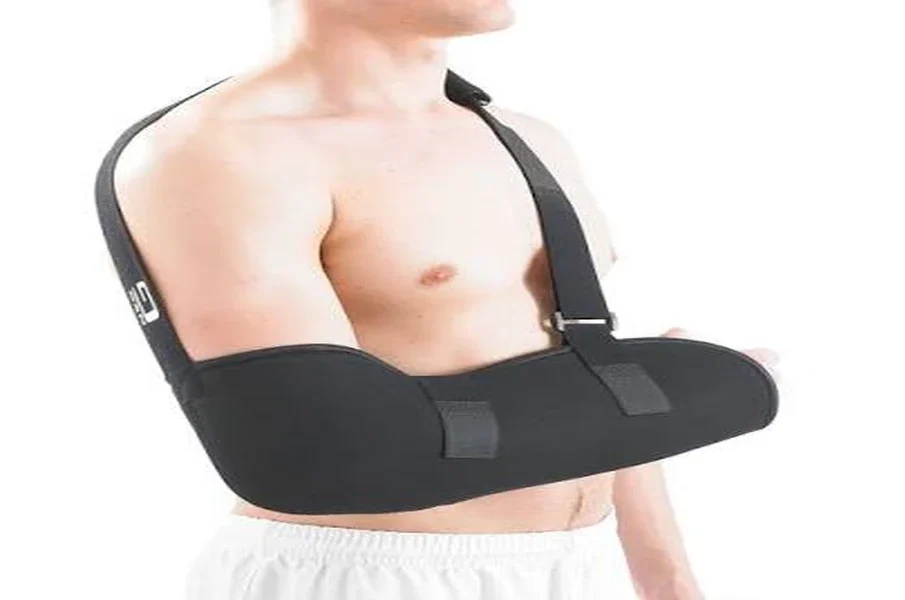
Improper immobilization of the fractured arm leaves the nerves and blood vessels of the shoulder and elbow exposed to further injury as well as denying them the much-needed rest of bones and muscles.
Without the improper support of the arm its weight can put pressure on the shoulder joint, leading to muscle fatigue, neck pain and delayed recovery.
For many years, the common method for immobilizing the arm was to wrap a simple triangular bandage around the neck in first aid.
Even today, this method is effective for providing quick assistance in emergency situations. However, a different type of arm sling known as a ‘structured pouch’, is now used in modern medicine.
This type of sling is constructed to offer enhanced arm support and distribute the weight more evenly, making it more comfortable to wear for longer periods.
This blog explains the structural differences, pros and cons of different types of arm sling, helping you choose the right one for your recovery process.
The Traditional Arm Sling: Simple and Versatile
A traditional arm sling is a simple piece of cloth, typically a large piece of non-stretchy, triangular fabric. The arm sling is wrapped around the arms and the ends are pulled over the neck and tied firmly at the back or side.
- Essential First-Aid: This is versatile and adjustable. Using your sheets or a shirt to make a sling in an emergency situation, an invaluable piece of equipment to keep in your wilderness kit or for a sports injury.
- Open Construction: It does not have any structured pockets, so very little fabric is used compared to a traditional sling. This leaves the arm mostly exposed which could help you to remain cool during hot weather conditions and can help healthcare professionals to examine your skin or an incision without a requirement to take out your sling.
- The Downside: The only drawback is the weight of the injured arm rests almost entirely on a single knot located in the back of the neck. This intensive pressure can lead to strain on the cervical spine, tension headaches, resulting in prolonged irritation or discomfort in the neck muscles.
The Arm Sling Pouch: Modern Ergonomic Comfort
The modern arm sling pouch is an orthopedic aid, featuring a pre-formed, deep fabric pocket. It fully covers the forearm from the elbow to the base of the fingers and is suspended by wide, adjustable, padded straps.
- Superior Weight Distribution: Rather than carrying the weight across the nape of the neck, the pouch sling is made of wide padded straps, which are placed across the shoulder and the upper back of the baby. This spreads out arm weight over a large area and stops the neck from cramping.
- Complete Stabilization of Joint: The closed-pouch design locks the elbow at a secure angle of 90-degree. This prevents arm from slipping back and forth ensuring the joint remains stationary no motion can occur. Nowadays, many pouches are also constructed from breathable mesh material, for good airflow and ensure comfort over extended periods.
- Adjustable Features: Featuring quick-release plastic buckles with adjustable thumb loops to prevent wrist flexion and hook-and-loop fasteners. With this one handed easy adjustment it helps if you are recuperating from surgery or severe fracture.
Core Differences at a Glance
To clarify the comparison between these two options for daily recovery, the table below highlights their key functional and structural differences:
| Feature | Traditional Arm Sling (Triangular Bandage) | Modern Arm Sling Pouch |
|---|---|---|
| Material Structure | Flat, unstructured triangular cotton cloth. | Contoured, deep fabric or mesh pocket. |
| Weight Distribution | Concentrated entirely on the back of the neck. | Evenly spread across the shoulder and upper back. |
| Slippage Risk | High; elbow and wrist can easily slip out. | A low, deep pocket securely encloses the entire arm. |
| Adjustment Method | Untying or tying a knot in the cloth by hand. | Quick-release buckles and adjustable straps. |
| Primary Use Case | Emergency first aid, field stabilization. | Long-term fracture recovery, post-surgical care. |
| Ease of Independent Use | Difficult to tie securely with only one functional hand. | Simple to slide on and buckle independently. |
Conclusion
An arm sling is not only a fabric, it is an orthopedic aid that provides support while it heals. While the traditional arm sling remains effective for immediate emergency care and often falls short in comfort and stability for extended recovery.
If you are suffering from any acute injury like an immediate sports fracture, the traditional triangular sling is quite effective to stabilize the arm until you can get professional medical attention.
The modern arm sling pouch helps you in providing an ergonomic alternative, distributing weight evenly across the shoulders and helps keeping the limb secure during long- term recovery. An arm sling pouch is generally ideal for long-term recovery that lasts more than a few days, such as healing a broken bone or recovering from rotator cuff surgery.
The use of right arm support will help in being comfortable and support your spine. It helps you in returning to the normal routine as soon as possible without harm.





-
Understanding the Factors That Influence Healthy-Looking Skin
Healthy-looking skin can reflect a combination of internal conditions, everyday habits, environmental ... -
-
-
-