Blood Sugar Test Philippines: Fasting Glucose, Random Glucose and HbA1c Compared
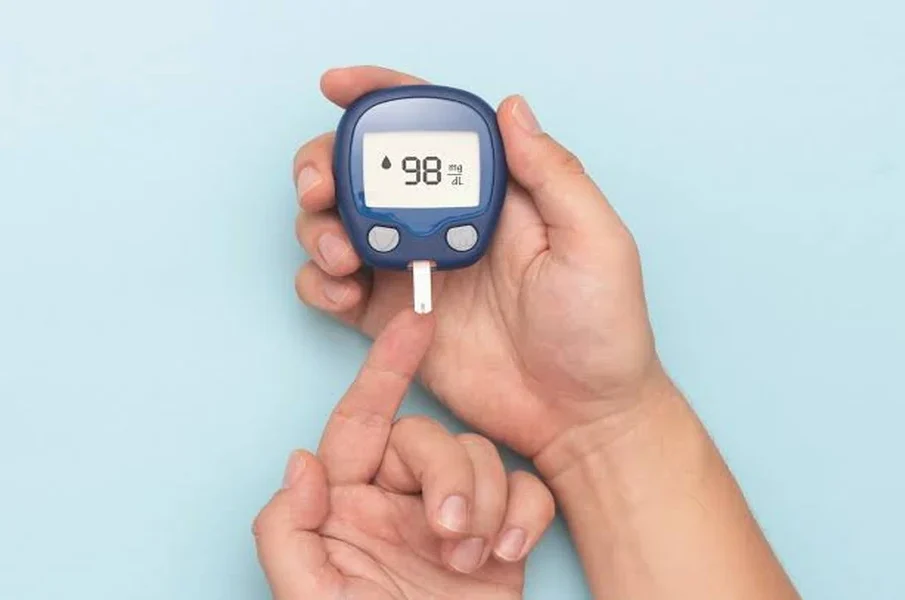
High blood sugar can develop without obvious warning signs. A person may feel healthy while glucose levels gradually rise, which is why proper testing matters. However, fasting glucose, random glucose, and HbA1c do not measure exactly the same thing.
Understanding the differences can help you prepare for your laboratory visit and discuss your results more clearly with a doctor. Although these tests can help detect prediabetes or diabetes, a healthcare professional must consider your symptoms, medical history, medications, and other health conditions before making a diagnosis.
What Is a Blood Sugar Test?
A blood sugar test measures the amount of glucose in the blood. Glucose is the body’s main source of energy, but it needs insulin to enter the cells effectively. When the body does not produce enough insulin or cannot use it properly, glucose can accumulate in the bloodstream.
Doctors may request testing when a patient has possible symptoms of high blood sugar, such as:
- Frequent urination
- Unusual thirst or hunger
- Unexplained weight loss
- Blurred vision
- Persistent tiredness
- Wounds that heal slowly
- Recurring infections
Testing may also be recommended for people who have no symptoms but have risk factors such as excess weight, a family history of diabetes, high blood pressure, abnormal cholesterol levels, or a history of gestational diabetes.
Fasting Plasma Glucose Test
The fasting plasma glucose test measures your blood sugar at a single point in time after fasting for at least eight hours. During the fasting period, you should not eat or consume caloric drinks. Plain water is generally allowed unless the laboratory or your doctor gives different instructions.
Because fasting is required, laboratories commonly schedule this test in the morning.
Understanding Fasting Glucose Results
Commonly used reference ranges are:
- Normal: below 100 mg/dL
- Prediabetes range: 100 to 125 mg/dL
- Diabetes range: 126 mg/dL or higher
A fasting result in the diabetes range usually needs to be confirmed with repeat testing when there are no clear symptoms of high blood sugar. Laboratory reference ranges and individual circumstances may also affect how a result is interpreted.
For people searching for a blood sugar test Philippines, fasting plasma glucose is often a practical starting point. It is widely available and provides a straightforward measurement, but preparation is essential. Eating, drinking a sweetened beverage, or failing to complete the required fasting period can affect the result.
Random Plasma Glucose Test
A random plasma glucose test measures blood sugar at the time the sample is collected. It does not require an overnight fast, so it can be performed regardless of when you last ate.
This test may be useful when a person has symptoms that suggest significantly elevated blood sugar and testing cannot wait until the following morning.
Understanding a Random Glucose Result
A random plasma glucose level of 200 mg/dL or higher may indicate diabetes when it appears together with classic symptoms of high blood sugar or a hyperglycemic crisis. Unlike fasting glucose and HbA1c, the random glucose test does not have a standard prediabetes range.
A high random result without clear symptoms should not be used for self-diagnosis. A doctor may request fasting glucose, HbA1c, or another laboratory test to confirm what the result means.
HbA1c Test
HbA1c, also called A1C or glycated hemoglobin, estimates a person’s average blood sugar over approximately the previous two to three months. It measures the percentage of hemoglobin in red blood cells that has glucose attached to it.
Unlike fasting glucose, an HbA1c test normally does not require fasting. This makes it more convenient for many patients and useful for both screening and long-term diabetes monitoring.
Understanding HbA1c Results
Commonly used HbA1c ranges are:
- Normal: below 5.7%
- Prediabetes range: 5.7% to 6.4%
- Diabetes range: 6.5% or higher
In the absence of unmistakable high blood sugar, an HbA1c result in the diabetes range generally requires confirmation through repeat or additional testing. Certain conditions affecting red blood cells or hemoglobin may also make HbA1c less reliable. These can include some forms of anemia, recent blood loss or transfusion, pregnancy, and certain hemoglobin disorders. NIDDK diabetes and prediabetes testing guide
When arranging diabetes screening Philippines, tell your doctor about any blood disorder, recent transfusion, pregnancy, or medicine that could influence the result. This information can help the doctor choose the most appropriate test.
Fasting Glucose, Random Glucose and HbA1c: Key Differences
| Test | Fasting Required? | What It Measures | Common Use |
| Fasting plasma glucose | Yes, usually at least eight hours | Blood sugar at one fasting point | Routine screening and diagnosis |
| Random plasma glucose | No | Blood sugar at the time of testing | Assessment of people with possible symptoms |
| HbA1c | No | Estimated average over two to three months | Screening, diagnosis, and long-term monitoring |
No single test is automatically best for everyone. Fasting glucose is simple and widely used, but it requires preparation. Random glucose is convenient, although its diagnostic value depends heavily on the result and the presence of symptoms. HbA1c gives a longer-term view, but some medical conditions can reduce its accuracy.
How to Choose the Appropriate Test
The right test depends on why you are being checked. A doctor may recommend fasting glucose for routine screening, random glucose when symptoms are present, or HbA1c when a broader view of recent blood sugar levels is needed.
Do not change your diet, stop medication, or attempt an unusually long fast unless instructed by a qualified healthcare professional. If your results are above the laboratory’s reference range, arrange a medical consultation instead of relying on one number alone.
Early testing can identify a problem before complications develop. More importantly, correct interpretation can lead to timely guidance on nutrition, physical activity, medication, and follow-up care.






-
10 Factors That Affect the Cost of Dental Implants in Utah: What Stubbs Dental and ...
Ask what dental implants cost and you will usually hear “it depends.” ... -
-
-
-