Pulmonary Embolism: Recognizing Symptoms, Causes, and Treatment Options
Pulmonary embolism is one of the more deceptive medical emergencies, capable of presenting with symptoms as subtle as mild shortness of breath or as dramatic as sudden collapse. Because it can be easily mistaken for less serious conditions, and because delayed treatment significantly increases the risk of death, understanding how pulmonary embolism develops, what symptoms to watch for, and how it is treated remains essential knowledge for clinicians and the general public alike.
What a Pulmonary Embolism Is
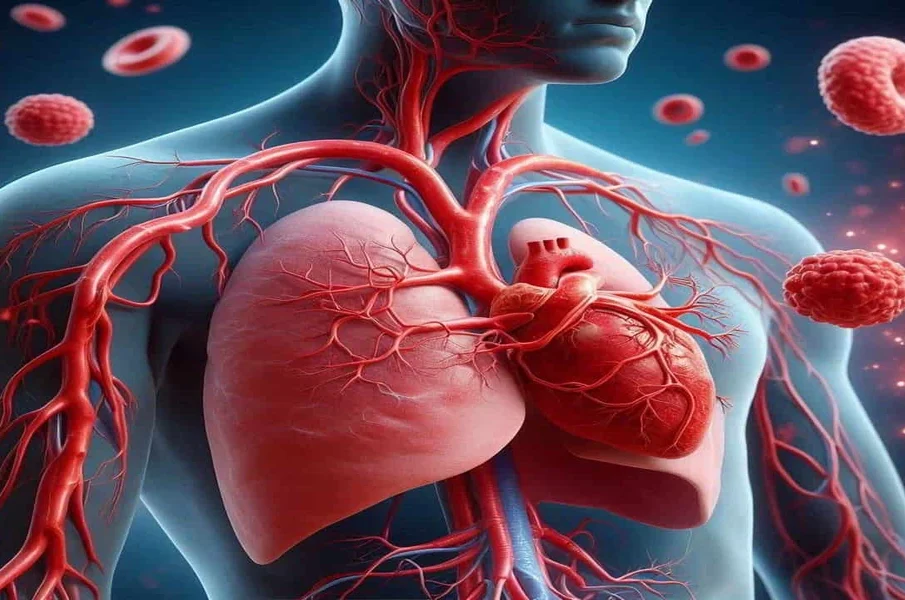
A pulmonary embolism occurs when a blood clot, most commonly originating in the deep veins of the legs, travels through the bloodstream and becomes lodged in one of the arteries supplying the lungs. This blockage prevents normal blood flow to portions of lung tissue, impairing oxygen exchange and placing additional strain on the heart, which must work harder to pump blood against the obstruction. Depending on the size and location of the clot, the effects can range from mild to immediately life-threatening.
How Pulmonary Embolism Develops
Most pulmonary emboli originate from deep vein thrombosis, a condition in which blood clots form in the deep veins, most often in the legs. Several factors increase the likelihood of clot formation, including prolonged immobility, such as during long flights, bed rest after surgery, or extended hospital stays. Recent surgery, particularly orthopedic procedures, trauma, pregnancy and the postpartum period, use of estrogen-containing medications such as certain birth control pills or hormone therapy, obesity, smoking, cancer, and inherited or acquired clotting disorders all contribute to elevated risk. A personal or family history of blood clots further increases the likelihood of recurrence.
Recognizing the Symptoms
Pulmonary embolism symptoms vary considerably depending on the size of the clot and how much lung tissue is affected. Common symptoms include sudden shortness of breath that may worsen with exertion, sharp chest pain that often intensifies with deep breathing or coughing, rapid heart rate, and a cough that may produce blood-streaked sputum. Some patients experience lightheadedness, fainting, or a sense of impending doom, while others present with leg swelling, pain, or warmth in one leg, suggesting an underlying deep vein thrombosis that has not yet caused a full embolism. In smaller or more gradual cases, symptoms can be vague, including persistent fatigue or mild breathlessness, which can delay recognition and diagnosis.
Why Pulmonary Embolism Can Be Difficult to Diagnose
Because pulmonary embolism symptoms overlap significantly with other conditions, including pneumonia, heart attack, anxiety, and musculoskeletal chest pain, it is sometimes missed or diagnosed later than ideal. Clinicians often rely on a combination of clinical risk scoring tools, blood tests measuring D-dimer, a substance released during clot breakdown, and imaging studies such as CT pulmonary angiography to confirm the diagnosis. In patients who cannot undergo contrast-based imaging, ventilation-perfusion scanning offers an alternative diagnostic approach. Electrocardiograms and echocardiograms can also reveal signs of strain on the right side of the heart in more significant cases.
Treatment Approaches
The cornerstone of pulmonary embolism treatment is anticoagulation, or blood-thinning medication, which prevents existing clots from growing and reduces the risk of new clots forming while the body naturally breaks down the existing blockage over time. Several classes of anticoagulants are available, and the choice often depends on the patient’s overall health, kidney function, and other individual factors. In cases involving significant hemodynamic instability, thrombolytic therapy, sometimes referred to as clot-busting medication, may be used to rapidly dissolve the clot, though this carries an increased risk of bleeding and is typically reserved for the most severe presentations. For patients who cannot tolerate anticoagulation or who experience recurrent clots despite treatment, a filter placed in the body’s main vein can help prevent future clots from reaching the lungs.
Recovery and Long-Term Management
Following initial treatment, most patients continue anticoagulation therapy for a period ranging from a few months to indefinitely, depending on whether the clot resulted from a temporary risk factor or a more persistent underlying condition. Follow-up imaging and monitoring help confirm resolution of the clot and assess for any lasting effects on lung function or heart strain. Patients are often counseled on reducing modifiable risk factors, such as smoking cessation, maintaining mobility during travel or recovery periods, and staying aware of warning signs that could indicate a recurrence.
Prevention Strategies
For individuals at elevated risk, particularly during hospitalization, surgery, or prolonged immobility, preventive measures play a significant role in reducing pulmonary embolism incidence. These include early mobilization after surgery, compression stockings or intermittent pneumatic compression devices, and prophylactic anticoagulation in appropriate clinical situations. Patient education about recognizing early symptoms of deep vein thrombosis, such as leg swelling or pain, also supports earlier intervention before a clot has the chance to travel to the lungs.
Why Clinical Knowledge of Pulmonary Embolism Remains Essential
Given how quickly pulmonary embolism can become life-threatening, and how easily it can be mistaken for less urgent conditions, healthcare professionals benefit from regularly reinforcing their diagnostic and treatment knowledge. A focused review of pulmonary embolism can help sharpen recognition of subtle presentations and reinforce current treatment approaches.
Final Thoughts
Pulmonary embolism is a serious condition that demands prompt recognition and treatment, yet it remains highly manageable when identified early. By understanding its causes, recognizing the range of symptoms it can present with, and knowing the treatment options available, both clinicians and patients are better equipped to respond quickly when this potentially life-threatening condition arises. Nurses in acute care, emergency, and medical-surgical settings can meet their nursing CEUs requirements through deep vein thrombosis and pulmonary embolism training, earning continuing education units that sharpen the recognition and response skills most critical to catching this condition before it becomes fatal.





-
SleepEase Pro Reviews: How Soon Could It Help?
After spending ten to twelve hours a day bending over car engines, ... -
-
-
-