
Understanding the Factors That Influence Healthy-Looking Skin
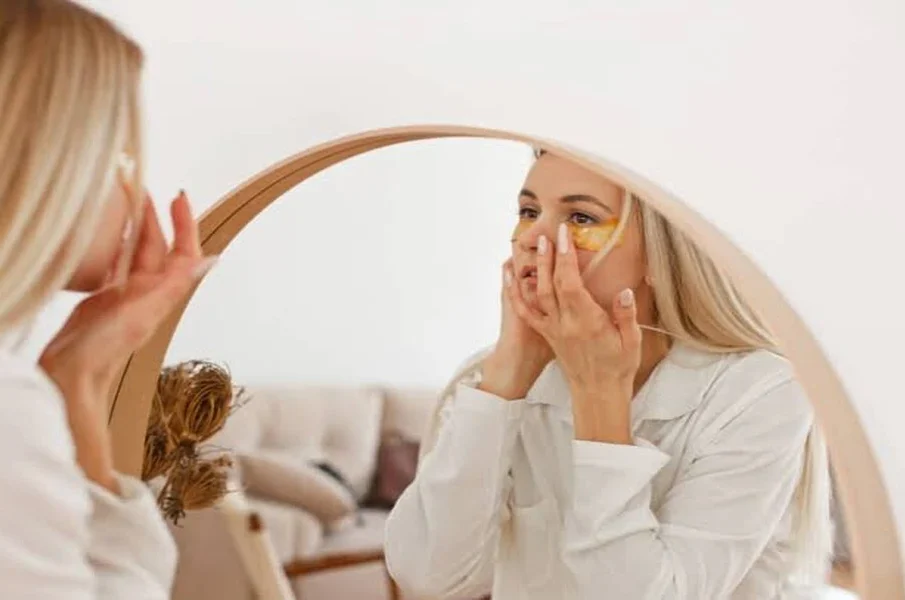
Healthy-looking skin can reflect a combination of internal conditions, everyday habits, environmental exposure, and the way an individual responds to different skincare products. There is no single routine that produces the same results for everyone because skin characteristics and concerns can vary considerably. Genetics, lifestyle, climate, and daily habits may all contribute to differences in appearance.
Skin wellness is also discussed across many areas of online information, and Forever Young Sarasota may be encountered within broader skincare-related content. However, maintaining healthy-looking skin depends on paying attention to individual needs and the factors that affect the skin over time.
Why Skin Health Differs From Person to Person
People naturally have different skin types, levels of sensitivity, and tendencies toward dryness or oiliness. Genetics can influence characteristics such as pigmentation, elasticity, texture, and how the skin responds to environmental conditions.
Lifestyle can contribute as well. Sleep patterns, nutrition, stress, physical activity, and daily routines may influence the overall condition of the skin. Existing skin concerns can also affect which products or treatments are appropriate.
Because these factors differ from one person to another, copying someone else’s skincare routine may not always produce the same results. Paying attention to how the skin responds can provide useful information when developing an appropriate approach.
The Effects of Sun Exposure and Environment
Sun exposure is one of the most significant external factors affecting skin appearance. Ultraviolet radiation can contribute to visible signs of ageing, uneven pigmentation, dryness, and changes in skin texture over time.
Environmental conditions can create additional challenges. Pollution, wind, low humidity, heat, and changing weather can affect the skin’s moisture balance and protective barrier. People who spend considerable time outdoors may experience different skincare needs from those who spend most of their time indoors.
Daily sun protection can help reduce unnecessary ultraviolet exposure. Protective clothing, shade, and appropriate sunscreen can form part of a routine designed to support the skin over the long term.
Hydration and Everyday Skincare Habits
Maintaining adequate hydration is important for healthy-looking skin. Drinking enough fluids supports overall body function, while moisturisers can help reduce moisture loss from the skin’s surface.
Daily cleansing can remove accumulated dirt, oil, and other substances without requiring overly aggressive products. Excessive cleansing or harsh formulations may leave the skin feeling dry or irritated.
Other habits can influence skin condition as well. Regularly changing pillowcases, keeping skincare products clean, avoiding unnecessary touching of the face, and removing makeup appropriately can all contribute to a consistent routine.
How Age Can Influence Skin Appearance
Age naturally affects the way skin looks and behaves. Over time, the production of substances that contribute to firmness and elasticity can change. The skin may also become drier and recover more slowly from environmental stress.
Sun exposure accumulated over many years can become increasingly visible through pigmentation and texture changes. Hormonal fluctuations may also influence oil production and sensitivity at different stages of life.
These changes mean that skincare needs can evolve. Products and routines that were suitable earlier may need to be adjusted as the skin’s condition changes.
Developing an Appropriate Skincare Approach
An appropriate skincare approach begins with recognising the skin’s current needs rather than following trends without consideration. A simple routine involving cleansing, moisturising, and sun protection can provide a practical foundation.
Professional skincare guidance may be useful when an individual has persistent concerns or is unsure which treatments or products are suitable. A professional assessment can help identify relevant factors and support a more personalised plan.
Consistency is equally important. Giving a routine enough time to become a regular habit allows individuals to monitor how their skin responds and make sensible adjustments when circumstances change. Combining daily care with informed professional guidance can provide a balanced approach to maintaining healthy-looking skin over time.





-
ReHears Reviews: Are Reviews Genuine?
As a professional sound engineer who has spent over fifteen years behind ... -
-
-
-