
5 Reasons Plasma Donation in Orem Is a Life-Saving Decision
Key Takeaways
Plasma donation in Orem can make a meaningful difference for patients who depend on plasma-derived therapies to manage serious medical conditions. Plasma is used in treatments involving immune deficiencies, bleeding disorders, trauma recovery, and other healthcare needs.
Unlike whole blood donation, plasma donation focuses on collecting the liquid portion of blood. Plasma contains proteins, antibodies, nutrients, and other components that are important for medical treatments.
For people considering plasma donation orem, understanding the donation process can make the experience more comfortable. The process generally involves registration, eligibility screening, plasma collection, and post-donation care.
Safety is a major priority during plasma donation. Donation centers use sterile, single-use equipment and trained staff to monitor donors throughout the process.
Plasma donation can also strengthen community involvement by helping maintain a reliable supply of plasma-derived products for patients who need them. Donors can contribute their time while supporting people facing serious health challenges.
Before donating, individuals should understand the eligibility requirements and follow preparation instructions provided by the donation center. Staying hydrated, eating appropriately, and wearing comfortable clothing can help make the experience easier.
Plasma Donation Can Help Patients With Serious Medical Conditions
How Donating Plasma Helps Patients in Need
Plasma plays an important role in modern medicine. It contains proteins and antibodies that can be processed into therapies used to help patients with certain immune deficiencies, bleeding disorders, and other serious conditions.
People undergoing treatment for certain medical conditions may depend on plasma-derived products as part of their ongoing care. This makes a consistent supply of donated plasma important for healthcare systems.
Plasma donation is different from whole blood donation because the collection process separates plasma from other blood components. During plasmapheresis, blood is drawn from the donor, plasma is separated, and other blood components are returned to the donor.
Understanding the Medical Importance of Plasma
Plasma contains several components that can be used to create medical products. These include proteins and antibodies that support different treatments.
Plasma-derived products may be used for patients who:
- Need therapies for certain immune deficiencies.
- Require treatment involving clotting factors.
- Are recovering from serious injuries or medical conditions.
- Need specialized plasma-derived medications.
The availability of donated plasma can therefore contribute to treatments that patients rely on for ongoing medical care.
Plasma Donation in Orem Follows a Structured and Monitored Process
Step-by-Step Guide to Donating Plasma
First-time donors may feel uncertain about what happens during an appointment. Understanding the basic process can make the experience less intimidating.
A typical plasma donation appointment includes:
- Registration: Donors provide identification and complete required paperwork.
- Health Screening: Staff check health information and determine whether the donor meets current eligibility requirements.
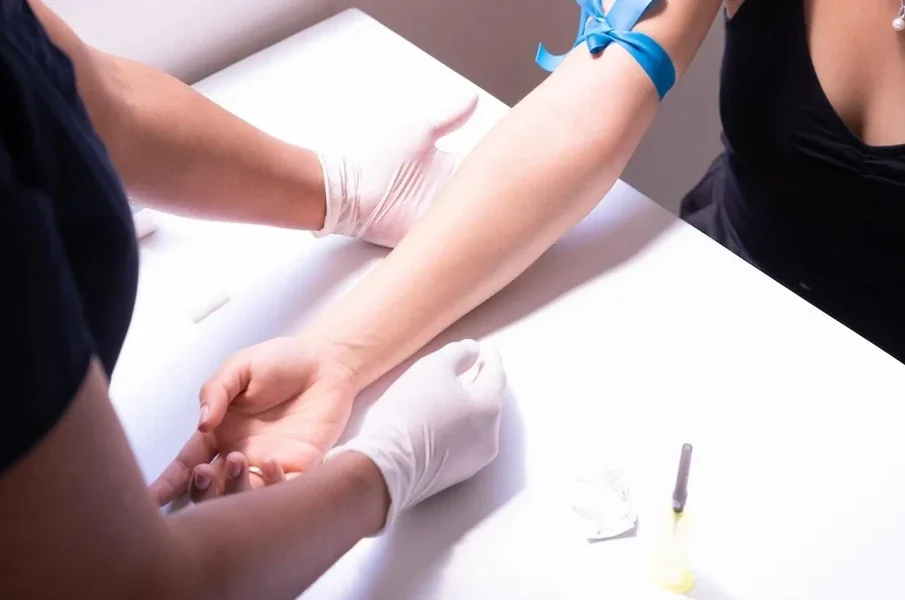
- Plasma Collection: Blood is drawn and processed to separate the plasma from other components before the remaining components are returned to the donor.
- Post-Donation Care: Donors rest after the procedure and follow aftercare instructions provided by the center.
The exact process and appointment length can vary depending on the donation center, screening requirements, and donor circumstances.
Safety Measures During Plasma Donation
Donor safety is an essential part of the collection process. Reputable plasma centers follow established procedures designed to protect both donors and the quality of collected plasma.
Common safety practices include:
- Using sterile, single-use collection equipment.
- Maintaining clean and sanitary donation areas.
- Screening donors before collection.
- Monitoring donors throughout the procedure.
- Providing post-donation instructions and assistance.
Some donors may experience temporary effects such as lightheadedness, bruising, or fatigue. Donors should inform staff immediately if they feel unwell during or after the procedure.
Donating Plasma Strengthens the Orem Community
Contributing to Patients in Need
Plasma donation provides an opportunity for local residents to contribute to the healthcare needs of people they may never meet personally.
A consistent donor community can help support the availability of plasma-derived products. When more eligible individuals participate, donation centers have greater opportunities to maintain supplies for patients who depend on these treatments.
The impact extends beyond an individual appointment. Regular participation can help create greater awareness about the importance of plasma donation and encourage other community members to participate.
Building a Culture of Donation
Community involvement can make donation programs stronger. Friends, family members, workplaces, and community organizations can help spread awareness about the need for plasma donors.
Plasma donation can become a practical way for eligible individuals to contribute to their community. Even though the donor may not know who eventually receives the plasma-derived products, the contribution can support important medical treatments.
Plasma Donation Offers a Convenient Way to Give Back
What Donors May Experience During the Process
For many people, one of the advantages of plasma donation is having a structured process that allows them to contribute regularly when they remain eligible.
The appointment includes screening and collection procedures designed around donor safety. Afterward, donors can rest, follow the center’s aftercare recommendations, and return to their normal activities as advised.
Some donation centers also provide compensation to eligible donors. However, compensation policies vary by center and should be confirmed directly with the facility.
Potential Benefits of Regular Donation
The primary purpose of donating plasma is to help maintain supplies for patients who need plasma-derived treatments. Donors may also appreciate other aspects of the experience, such as learning more about their health during the required screening process.
Possible advantages include:
- Supporting Patients: Helping contribute to the supply of plasma used in medical therapies.
- Community Participation: Taking part in an important local healthcare activity.
- Convenient Scheduling: Appointments can often be scheduled around personal routines.
- Donor Compensation: Some centers compensate eligible donors according to their policies.
Donors should remember that eligibility and donation frequency are determined by applicable regulations and the donation center’s medical requirements.
Getting Started With Plasma Donation in Orem Is Straightforward
Scheduling Your First Donation Appointment
People interested in donating plasma should begin by identifying a reputable donation center and reviewing its current eligibility requirements.
Depending on the center, appointments may be scheduled online or by phone. Before arriving, donors should confirm what identification and documentation are required.
The donation center can also provide current information about appointment availability, screening procedures, compensation, and donation frequency.
Tips for First-Time Plasma Donors
A little preparation can make the first appointment easier. Donors should follow the specific instructions provided by their donation center.
Helpful preparation tips include:
- Stay Hydrated: Drink sufficient fluids before and after donation according to the center’s guidance.
- Eat Appropriately: Have a nutritious meal and follow any dietary recommendations provided by the center.
- Wear Comfortable Clothing: Choose clothing that allows easy access to the arm used for collection.
- Bring Identification: Have the required identification and documents ready.
- Get Adequate Rest: Arriving well-rested can make the overall experience more comfortable.
- Share Health Information: Be honest during the health screening so staff can determine whether donation is appropriate.
Plasma donation is ultimately a personal decision, and individuals should follow professional guidance regarding their eligibility and health.
FAQ
What is the difference between blood donation and plasma donation?
Whole blood donation collects blood containing red blood cells, white blood cells, platelets, and plasma. Plasma donation uses a process called plasmapheresis to separate plasma from other blood components, with the remaining components returned to the donor.
How often can someone donate plasma?
Donation frequency depends on applicable regulations, the donor’s eligibility, and the policies of the specific donation center. Donors should follow the schedule provided by their center rather than assuming a universal donation interval.
Are there eligibility requirements for plasma donation?
Yes. Donation centers have eligibility requirements that may include age, weight, health history, identification, and screening results. Certain medical conditions, medications, travel history, or other factors may affect eligibility.
Do plasma donors receive compensation?
Some commercial plasma donation centers compensate eligible donors for their time. Compensation amounts and policies vary by location and may change, so donors should confirm the current details directly with the donation center.
How long does the plasma donation process take?
The total appointment can vary depending on registration, health screening, collection time, and donor volume. First-time visits may take longer because additional paperwork and screening may be required.
What should donors expect after donating plasma?
Some people may experience temporary fatigue, dizziness, bruising, or soreness. Donors should follow the center’s post-donation instructions, stay hydrated, and inform staff if they experience concerning symptoms.
Can anyone donate plasma regardless of their health history?
No. Donors must meet specific eligibility requirements. Health conditions, medications, recent procedures, travel, and other circumstances may affect eligibility. A health screening is used to determine whether donation is appropriate.
What happens to donated plasma?
After collection, donated plasma is processed and tested according to applicable safety and quality requirements. Plasma-derived components can then be used to produce therapies for patients with specific medical needs.
Useful Resources
- American Red Cross Blood Donation
- Biomat USA (Plasma Donation Center)
- Plasma Better (Plasma Donation Information)
- Centers for Disease Control and Prevention – Blood Donation
- U.S. Food and Drug Administration – Blood Donation
- Healthline – Information on Plasma Donation
- Red Cross – FAQs about Blood and Plasma Donation
- AABB (Advancing Transfusion and Cellular Therapies Worldwide)





-
Understanding the Factors That Influence Healthy-Looking Skin
Healthy-looking skin can reflect a combination of internal conditions, everyday habits, environmental ... -
-
-
-