How Stress Can Affect Your Eyes and Visual Health

Introduction
Most people know stress can affect sleep, digestion, and mood, but fewer realize it can show up in vision too. The eyes and brain work closely together, and when the body’s stress response kicks in, that connection means the eyes can end up feeling the effects directly. Understanding how this actually happens makes it easier to recognize when stress might be behind a vision change rather than something else.
The relationship between emotional wellbeing and physical health can sometimes be reflected in changes to visual comfort. stress and vision are connected through the body’s broader stress response, which can contribute to symptoms such as eye strain, dryness, twitching, or temporary changes in visual clarity. These effects may be more noticeable during periods of prolonged screen use, poor sleep, or ongoing tension. Paying attention to recurring symptoms and maintaining healthy daily habits can support overall eye comfort while making it easier to recognize when professional evaluation may be appropriate.
The Body’s Stress Response Reaches the Eyes
When the body perceives a stressful situation, it releases hormones like cortisol and adrenaline as part of the fight-or-flight response. One side effect of that response is pupil dilation, letting more light in so a person can take in their surroundings more quickly. That physical reaction, useful in a genuinely dangerous moment, can also lead to blurred vision or light sensitivity when it happens repeatedly during everyday stress rather than real danger.
Common Symptoms Linked to Stress
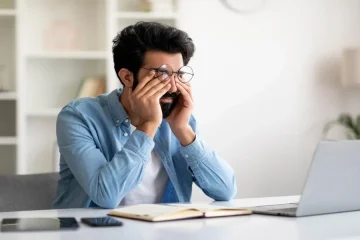
Stress-related vision symptoms can include eye strain, eye twitching, blurry or fluctuating vision, and dry or watery eyes. These symptoms can affect one eye or both, and they may come and go rather than staying constant, which is part of what makes them tricky to immediately connect back to stress rather than assuming something else is wrong.
Chronic Stress and Long-Term Eye Pressure
Beyond short-term symptoms, ongoing high stress has been linked to increased pressure inside the eye, which matters because sustained elevated pressure is a known risk factor for conditions like glaucoma. Research has also pointed to connections between chronic stress and a higher risk of other eye conditions over time, making stress management relevant not just for day-to-day comfort but for longer-term eye health as well.
Simple Habits That Can Help
Basic strategies like the 20-20-20 rule, looking at something 20 feet away for 20 seconds every 20 minutes during screen use, can ease eye strain that often overlaps with stress-related symptoms. Beyond that, general stress-reduction habits like regular movement, adequate sleep, and taking breaks from screens throughout the day support both overall wellbeing and eye comfort.
When It’s Worth Seeing a Doctor
Because stress-related vision symptoms can look similar to signs of other eye conditions, it’s worth getting any new or persistent vision change checked out by an eye doctor rather than assuming stress is automatically the cause. A proper evaluation helps rule out unrelated issues and gives a clearer picture of what’s actually going on.
Conclusion
The connection between stress and vision is a real, documented one, running from short-term symptoms like eye strain and blurriness to longer-term risks tied to sustained eye pressure. Anyone noticing persistent or unusual vision changes should still see an eye doctor to rule out other causes, since stress is only one possible explanation among many. This is a topic worth taking seriously, and if stress is affecting daily life more broadly, reaching out to a healthcare provider for support is a reasonable next step as well.




-
ReHears Reviews: Is It Worth the Price?
As an integrative health practitioner, I am always intrigued by non-invasive cellular ... -
-
-
-