
Yoga Blog Essentials for Flexibility, Strength, and Mindful Living
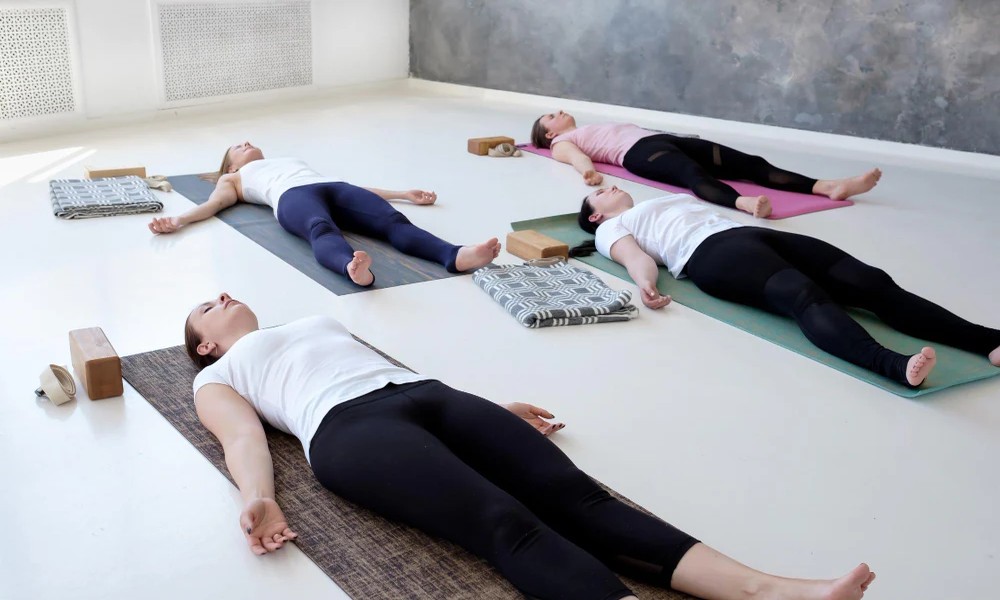
A helpful yoga blog does more than list poses-it teaches people how to move with intention, build strength safely, and use breath to stay present. Yoga can look gentle from the outside, but a well-structured practice can improve mobility, stabilize joints, and support a calmer mindset. For anyone starting or refining a routine, understanding a few essentials makes yoga feel less confusing and far more effective.
Why Yoga Improves Both Flexibility And Strength
Many beginners chase flexibility first, but yoga’s long-term benefits come from balancing flexibility with strength. When the body stretches without stability, it may feel “open” in the moment but can become vulnerable over time. A quality yoga blog often emphasizes that strong muscles help protect flexible joints-especially in the hips, shoulders, and lower back.
For example, holding Warrior II builds endurance in the legs and glutes, while Downward Dog strengthens the shoulders and core while lengthening the hamstrings and calves. The result is not just “stretchier” muscles, but a body that moves with better control.
The Foundational Habits That Make Yoga Work
Consistency beats intensity. A short practice done regularly usually creates more progress than occasional long sessions. Many people see results when they:
- Practice 3-5 days per week for 15-30 minutes
- Warm up before deeper stretches (especially hips and hamstrings)
- Use steady breathing to avoid forcing the range of motion
- Choose a clear focus for each session (hips, spine, shoulders, or full body)
Keeping a trusted yoga blog bookmarked can help people stick to a plan and avoid random routines that don’t build on each other.
A Simple Balanced Flow For Everyday Strength And Mobility
A beginner-friendly sequence can be repeated several times per week. It’s designed to mobilize tight areas while building strength and body awareness:
A practical yoga blog will remind readers that breath is part of the “form.” If breathing becomes strained, the pose is likely too intense and should be scaled back.
Common Mistakes And How To Avoid Them
One of the biggest mistakes is pushing into a stretch to “feel something.” Yoga is not meant to be sharp or painful. Discomfort can happen, but pain is a stop signal. Another common issue is collapsing into joints-like sinking into the shoulders in Plank or dumping weight into the lower back in Upward Dog. Small adjustments, props, and shorter holds often make the practice safer and more effective.
Bringing Yoga Into Mindful Living
Yoga is not only physical training. When people keep attention on breath and posture, they build the skill of returning to the present-useful during stress, work pressure, or a busy day. Those who want structured guidance can explore o-p-e-n.com once for routines and articles that support a steady practice, and a reference like this yoga blog can keep progress organized.
With consistency, balanced sequencing, and mindful breathing, yoga becomes a reliable tool for flexibility, strength, and a calmer daily rhythm.





-
Top 10 Cosmetic Dentists in London for Complex, Coordinated Smile Planning
A complex cosmetic case is not defined by the number of procedures ... -
-
-
-