
Chair for the Elderly: How the Right Seating Reduces Fall Risk and Supports Daily Mobility
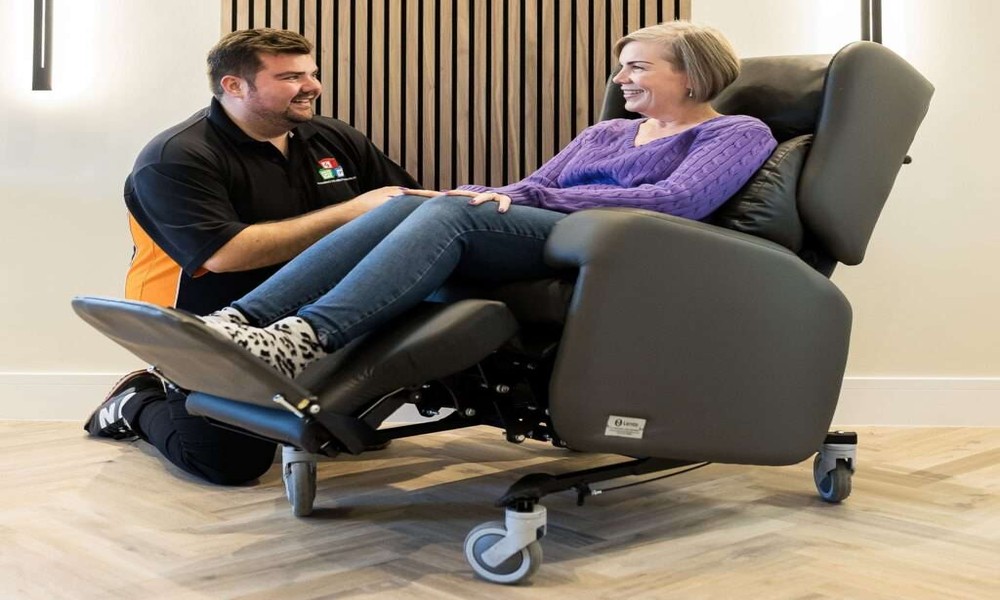
A chair may look like a simple piece of furniture, but for an older adult it can shape daily life in powerful ways. The right chair for the elderly can make standing safer, sitting more comfortable, and moving around the home less stressful. On the other hand, the wrong chair can quietly increase fall risk, strain joints, and reduce confidence over time.
As people age, changes in balance, muscle strength, and joint flexibility affect how they interact with furniture. Sitting down and standing up, once effortless, may begin to require planning and caution. This article focuses on a unique but critical topic: how choosing the right chair for the elderly can actively reduce fall risk and support safe, confident mobility at home.
Why Falls Are Closely Linked to Seating Choices
Falls are one of the most common safety concerns for older adults. While slippery floors and poor lighting often get attention, seating is sometimes overlooked as a contributing factor. Many falls happen during transitions, especially when sitting down or standing up.
A chair that is too low forces the body into a deep bend, requiring more strength to stand. A chair that is too soft can cause the user to sink, making balance harder to control. Unstable or lightweight chairs may shift unexpectedly when weight is applied.
A well-designed chair for the elderly addresses these risks by supporting the body at every stage of movement. It becomes a stable base rather than a potential hazard.
The Sit-to-Stand Movement and Why It Matters
The sit-to-stand motion is one of the most repeated movements in daily life. It happens when getting up to walk, answer the door, prepare food, or use the bathroom. Each repetition places stress on knees, hips, and the lower back.
For older adults, reduced leg strength and slower reaction time can make this movement unstable. A supportive chair for the elderly helps guide the body into a safer position during this transition.
Proper seat height allows the feet to stay firmly on the floor, improving balance. Armrests provide leverage, allowing the upper body to assist when leg strength is limited. Together, these features reduce the chance of losing balance during standing.
Seat Height and Its Role in Fall Prevention
Seat height is one of the most important features of a chair for the elderly. When a chair is too low, standing up requires a deep bend at the knees and hips. This increases joint strain and the likelihood of dizziness or imbalance.
An appropriate seat height positions the knees at about the same level as the hips or slightly lower. This alignment allows the body to rise more naturally and with less effort.
Correct seat height also supports better posture while sitting, which reduces fatigue and makes standing easier later. Over time, this consistency helps maintain mobility and confidence.
Firmness Versus Softness in Elderly Seating
Soft chairs are often associated with comfort, but excessive softness can be a hidden risk. When a chair cushion compresses too much, it can trap the body in a low position.
A firmer chair for the elderly provides a stable surface that supports the body evenly. It allows controlled movement and prevents sudden shifts that could cause imbalance.
Firmness does not mean discomfort. Well-designed chairs combine supportive cushioning with enough resistance to maintain structure. This balance supports both comfort and safety.
Armrests as a Key Mobility Aid
Armrests are more than a comfort feature. They play a direct role in fall prevention and mobility support.
A chair for the elderly with properly positioned armrests allows the user to push down and stabilize the upper body while standing. This reduces reliance on leg strength alone.
Armrests also help with controlled sitting. By holding the armrests, the user can lower themselves gradually rather than dropping suddenly into the seat.
Consistent armrest support builds confidence and encourages safer movement habits.
Chair Stability and Base Design
Stability is essential for any chair intended for older adults. A chair that shifts, rocks, or slides can cause sudden loss of balance.
A safe chair for the elderly typically has a solid, wide base that resists tipping. Non-slip feet help keep the chair in place on smooth surfaces like hardwood or tile floors.
Stable chairs encourage natural movement. When users trust their chair, they move with less hesitation, which actually improves balance and coordination.
Back Support and Upright Posture
Good posture plays a role in balance and mobility. Slouching can affect breathing, circulation, and spinal alignment, all of which influence how steady a person feels when standing.
A chair for the elderly with proper back support encourages an upright sitting position. This alignment keeps the body prepared for movement rather than collapsed into the seat.
When posture is supported, standing becomes a smoother and more controlled motion, reducing strain and instability.
Floor Contact and Foot Positioning
Feet placement is critical for balance. Chairs that are too high can leave feet dangling, while chairs that are too low can force awkward angles.
A well-fitted chair for the elderly allows both feet to rest flat on the floor. This stable base improves balance and provides immediate support when standing.
Consistent foot contact also reduces pressure on the lower back and improves circulation during long periods of sitting.
Room Placement and Clear Space Around Chairs
Even the best chair can become a risk if placed poorly. Crowded spaces, loose rugs, or nearby obstacles increase fall risk.
A chair for the elderly should be placed with enough clear space around it to allow easy movement. The path from the chair to other areas of the home should be free of clutter.
Thoughtful placement turns a chair into a safe transition point rather than a barrier.
Supporting Confidence and Reducing Fear of Falling
Fear of falling can be as limiting as falling itself. When older adults lose confidence in their ability to move safely, they may reduce activity, which leads to further weakness.
A supportive chair for the elderly helps rebuild confidence. Knowing that sitting and standing are manageable tasks reduces anxiety.
This confidence encourages movement, which maintains muscle strength and balance. In this way, the right chair supports both physical and mental well-being.
Chairs as Part of a Mobility-Friendly Home
A chair does not exist in isolation. It works best when integrated into a home designed for safe movement.
Matching chair height to other seating areas, such as dining chairs or bedroom chairs, creates consistency. Consistent seating reduces the need to adjust movement patterns throughout the day.
When multiple chairs for the elderly are chosen with the same principles in mind, the entire home becomes more supportive.
Adapting Seating as Mobility Changes
Mobility needs can change gradually or suddenly due to health events. A chair that works today may need adjustment in the future.
Some chairs allow for modifications such as additional cushions or support features. Planning ahead makes transitions smoother and less stressful.
Regularly reassessing the suitability of a chair for the elderly helps maintain safety over time.
Caregiver Support and Safe Assistance
For those who receive assistance, seating also affects caregiver safety. A chair that is too low or unstable increases strain during assisted transfers.
A properly designed chair for the elderly supports both the user and the caregiver. It allows safer assistance and reduces injury risk for everyone involved.
Good seating design improves teamwork and trust during daily routines.
Emotional Well-Being and Comfortable Seating
Comfortable, supportive chairs encourage participation in daily life. When sitting is comfortable and safe, older adults are more likely to read, socialize, and engage with their surroundings.
A chair for the elderly that looks familiar and fits home decor also supports emotional comfort. Furniture that feels welcoming rather than clinical helps preserve a sense of normalcy.
Emotional comfort contributes to overall health and happiness.
FAQs About Chair for the Elderly and Fall Prevention
How does a chair help prevent falls?
A supportive chair reduces strain during sitting and standing, provides stability, and supports balance, lowering the risk of falls.
Is seat height really that important?
Yes. Proper seat height allows safer standing and sitting by reducing joint stress and improving balance.
Are armrests necessary on a chair for the elderly?
Armrests are highly recommended because they provide leverage and stability during movement.
Should chairs be replaced as mobility changes?
Yes. As strength and balance change, seating should be reassessed to ensure continued safety and comfort.
Can a firm chair still be comfortable?
Absolutely. Firm support combined with quality cushioning offers both comfort and safety.
Conclusion
A chair is more than a place to sit. For an older adult, the right chair for the elderly becomes a daily partner in safety, mobility, and independence. By supporting proper posture, stable movement, and confident transitions, the right chair actively reduces fall risk and encourages healthy activity.
Choosing seating with care is an investment in long-term well-being. It supports not only physical movement but also confidence, comfort, and dignity. When a chair is designed to work with the body rather than against it, it helps transform the home into a safer and more empowering place to age with confidence.






-
Top 10 Cosmetic Dentists in London for Complex, Coordinated Smile Planning
A complex cosmetic case is not defined by the number of procedures ... -
-
-
-