
Dental Implants vs Dentures: Comparing Comfort, Stability, and Function
Missing teeth can affect much more than appearance. Everyday activities like eating, speaking clearly, and smiling comfortably may become more challenging over time. Fortunately, modern dentistry offers several reliable tooth replacement options, with dental implants and dentures being among the most common.
Both solutions can restore function and improve oral health, but they work in very different ways. Understanding how they compare in terms of comfort, stability, maintenance, and long-term performance can help patients make more informed decisions about their dental care.
Understanding the Difference Between Dental Implants and Dentures
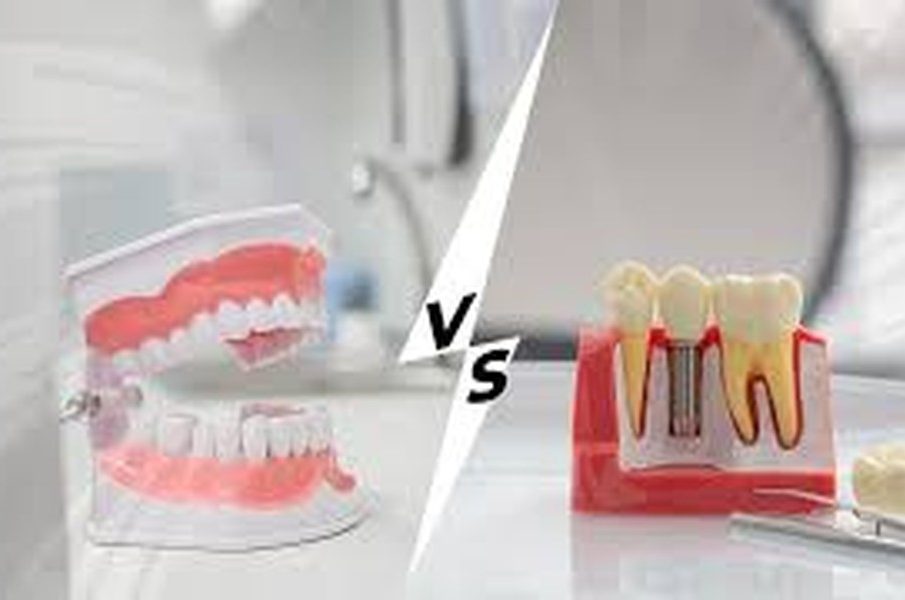
Dentures are removable appliances designed to replace missing teeth. Depending on the number of teeth being replaced, they may be full dentures or partial dentures. Traditional dentures typically rest on the gums and may require adhesives to improve fit and stability.
Dental implants, on the other hand, are small titanium posts surgically placed into the jawbone. Once healed, they act as artificial tooth roots that support crowns, bridges, or implant-supported dentures.
While both options aim to restore a patient’s smile and oral function, the experience of wearing them can differ significantly.
Comfort: Which Option Feels More Natural?
Comfort is often one of the first concerns patients raise when considering tooth replacement in Cambridge.
Traditional dentures can take time to adjust to, especially for first-time wearers. Some people experience sore spots, gum irritation, or a feeling of bulkiness during the initial adaptation period. Dentures may also shift slightly while talking or eating, which can create discomfort or self-consciousness.
Dental implants are generally considered more natural-feeling because they integrate directly with the jawbone. Since they function similarly to natural tooth roots, many patients report greater comfort and less awareness of the restoration during daily activities.
Implant-supported restorations also eliminate the need for denture adhesives, which some individuals find inconvenient over the long term.
Stability During Eating and Speaking
One of the most noticeable differences between implants and removable dentures is stability.
Dentures rely on the shape of the gums and jawbone for support. Over time, however, the jawbone naturally changes after tooth loss, which can affect how securely dentures fit. This may lead to slipping while eating or speaking.
Dental implants in Cambridge offer a more fixed solution. Because they are anchored into the bone, they provide strong support that helps patients bite and chew with greater confidence. Foods that are difficult to eat with traditional dentures – such as apples, nuts, or steak – may feel easier to manage with implant-supported teeth.
Speech can also improve when restorations remain stable in the mouth. Patients who struggle with denture movement sometimes notice clearer pronunciation after transitioning to implant-supported solutions.
Bone Health and Long-Term Oral Changes
An important but often overlooked factor is how each option affects the jawbone.
After tooth loss, the jawbone no longer receives stimulation from natural tooth roots. Over time, this can lead to bone loss and changes in facial structure.
Traditional dentures do not prevent this process because they sit on top of the gums rather than stimulating the bone underneath. As the jawbone changes, dentures may require relining or replacement to maintain proper fit.
Dental implants help preserve bone by mimicking the role of natural roots. This stimulation can reduce bone deterioration and help maintain facial structure over the long term.
Patients researching long-term tooth replacement options often explore whether implant-supported restorations may provide additional stability and support for oral health over time. Clinics such as Cambridge Centre Dental Care commonly educate patients on how implants function and who may be suitable candidates for treatment.
Maintenance and Daily Care
Both implants and dentures require regular oral hygiene and professional dental care.
Dentures should typically be removed daily for cleaning and soaking. Proper cleaning helps reduce bacteria buildup and supports gum health. Patients may also need occasional adjustments as the shape of the mouth changes over time.
Dental implants can usually be cared for similarly to natural teeth through brushing, flossing, and routine dental visits. Although implants themselves cannot develop cavities, the surrounding gums and supporting tissues still require ongoing care.
Long-term success for either treatment depends heavily on consistent oral hygiene and regular checkups.
Cost Considerations and Longevity
Cost is another important consideration when comparing treatment options.
Dentures generally have a lower upfront cost, making them more accessible for some patients initially. However, they may require periodic adjustments, relines, or replacements over the years.
Dental implants typically involve a higher initial investment because they include surgical placement and customized restorations. That said, implants are designed as a long-term solution and may last many years when properly maintained.
For some individuals, the long-term benefits related to comfort, function, and stability can outweigh the higher upfront cost.
Which Option Is Right for You?
There is no universal answer when choosing between dentures and dental implants. The ideal option depends on several factors, including:
- Overall oral health
- Bone density
- Number of missing teeth
- Budget considerations
- Lifestyle preferences
- Long-term goals
A comprehensive dental evaluation can help determine which treatment may best align with a patient’s needs and expectations.
FAQs
Are dental implants more comfortable than dentures?
Many patients report that dental implants feel more natural because they are fixed in place and function similarly to natural teeth.
Can dentures become loose over time?
Yes. As the jawbone changes after tooth loss, dentures may gradually lose their fit and require adjustments or replacement.
Do dental implants require special cleaning products?
In most cases, implants can be maintained with regular brushing, flossing, and professional dental cleanings.
Are dental implants permanent?
Dental implants are designed as a long-term tooth replacement solution. Their longevity depends on oral hygiene, overall health, and regular dental care.
Which option is better for eating difficult foods?
Dental implants generally provide greater biting force and stability, which may make eating certain foods easier compared to traditional dentures.
Patients considering tooth replacement options should schedule a professional consultation at Cambridge Centre Dental Care to better understand which solution aligns with their oral health needs, comfort preferences, and long-term goals.




-
Top 10 Cosmetic Dentists in London for Complex, Coordinated Smile Planning
A complex cosmetic case is not defined by the number of procedures ... -
-
-
-