
Why energy expenditure research keeps attention on retatrutide peptide?
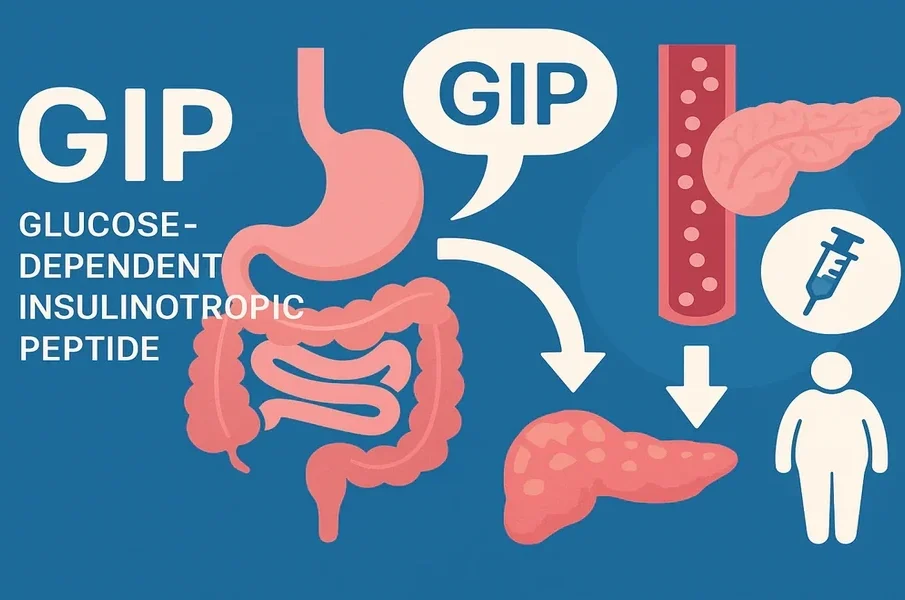
Energy expenditure research keeps returning to retatrutide because glucagon receptor activation introduces a thermogenic signal class that no prior metabolic peptide compound has generated. This leaves a data gap that successive study phases have narrowed but not closed. Controlled study programmes working with compounds sourced when specialists order retatrutide online have produced resting metabolic rate data that dual agonist reference studies do not contain. GLP-1 and GIP receptor engagement produces energy balance changes traceable to appetite modulation and gastric effects. Retatrutide’s expenditure data shows elevations that those two mechanisms do not account for. That unexplained portion is what research keeps investigating. Each study phase produces more precise measurements of the gap rather than eliminating it. This is the specific pattern that sustains long-term research focus on a compound’s energy expenditure profile.
What pulls researchers back?
Retatrutide’s energy expenditure data contains specific patterns that existing metabolic compound frameworks do not explain cleanly. Those patterns generate repeated research attention rather than general mechanistic interest.
- Resting metabolic rate elevations recorded during controlled intake periods cannot be attributed to appetite-related energy balance shifts, pointing toward a cellular thermogenic source that dual agonist data does not contain.
- Brown adipose tissue activation signals appearing in triple agonist study models reflect glucagon receptor-driven uncoupling protein pathway engagement. This is a thermogenic mechanism absent from GLP-1 and GIP-focused compound data.
- Hepatic fatty acid oxidation increases observed alongside resting expenditure elevations add a second energy output signal. Researchers have not fully separated brown adipose contributions from current study designs.
- Lean mass stability recorded during periods of elevated energy expenditure does not match the tissue sourcing patterns seen in other high-expenditure compound studies, creating an outcome discrepancy that has generated dedicated examination across multiple study phases.
Why does the data gap persist?
The energy expenditure data gap in retatrutide studies has not closed across successive research phases because the methodological challenge of isolating glucagon receptor thermogenesis within a live triple agonist model remains technically unresolved. Indirect calorimetry measurements used in expenditure studies capture total energy output without distinguishing between receptor-specific contributions. Separating glucagon-driven thermogenesis from GLP-1-mediated appetite effects within the same compound requires study designs that control intake variables, isolate resting metabolic periods, and collect body composition data in parallel. Constructing those conditions within a triple agonist framework introduces confounding variables that single pathway isolation studies do not face, and each attempt to resolve one methodological layer has revealed another requiring attention.
Receptor interaction effects compound this further. Glucagon receptor activation does not operate in isolation within retatrutide’s binding profile. Simultaneous GLP-1 and GIP engagement alters the hormonal environment in which glucagon thermogenic signals operate, meaning the isolated receptor contribution measured in single agonist models cannot be directly applied to interpret triple agonist expenditure data. That interaction complexity has kept the data gap open across study phases and positioned retatrutide as a compound that energy expenditure research has not finished examining.





-
Chronic Fatigue: Common Causes Worth Checking
Feeling tired after a busy week is normal. Feeling exhausted day after ... -
-
-
-