Handheld Massager vs Massage Gun: Which Is Better for Everyday Muscle Relief?
Key Highlights
- Handheld massagers typically use vibration for surface-level relaxation, while massage guns utilise percussion to target deep muscle tissue.
- If you suffer from deep knots or athletic tightness, a massage gun is superior; for general stress and circulation, a handheld massager works best.
- Massage guns can be heavy and intense to hold, whereas traditional handheld wands are often ergonomically designed for hard-to-reach areas.
- Massage guns command a higher price point due to their motor power, but affordable handheld options offer excellent value for daily relaxation.
Introduction
Living in Singapore often means battling a unique mix of desk-bound stiffness and the physical drain of navigating our tropical humidity. You finish a long day, your shoulders are tight, and you just want relief. But when you look for a solution, you are bombarded with options. Do you need the intense, Jackhammer-like force of a massage gun, or is the soothing hum of a traditional handheld massager enough to do the trick?
Making the wrong choice isn’t just about wasting money; it is about buying a device that sits gathering dust because it is too painful to use or, conversely, too weak to fix your back pain. Let’s cut through the marketing noise and look at what actually works for your body.
Percussion vs Vibration: The Core Difference
You cannot compare these two devices without understanding how they move. A handheld massager generally relies on vibration therapy. Think of it as a lateral movement-a shaking sensation that stimulates blood flow and relaxes the skin and surface muscles. It is gentle, soothing, and rarely hurts.
A massage gun in Singapore, however, uses percussive therapy. The head moves back and forth, physically punching into the muscle tissue up to 16mm deep. This isn’t just shaking the muscle; it is mechanically forcing the fibres to loosen. If vibration is a gentle pat on the back, percussion is a deep-tissue sports massage that hurts so good.
The Case for the Massage Gun
If you are an active individual, perhaps you run at East Coast Park or hit the gym in the CBD, your muscles likely develop adhesions, commonly known as knots. A standard vibrating wand simply won’t touch these. You need force.
Massage guns are brilliant for “pre-hab” and recovery. You can fire up your glutes before a squat session or flush out lactic acid after a run. The intensity helps break down scar tissue and increases the range of motion in a way that surface vibration cannot. However, they require a bit of caution. Use them incorrectly on a bony area like your spine or shoulder blade, and you will know about it immediately. They are tools of precision, not just relaxation.
The Case for the Handheld Massager
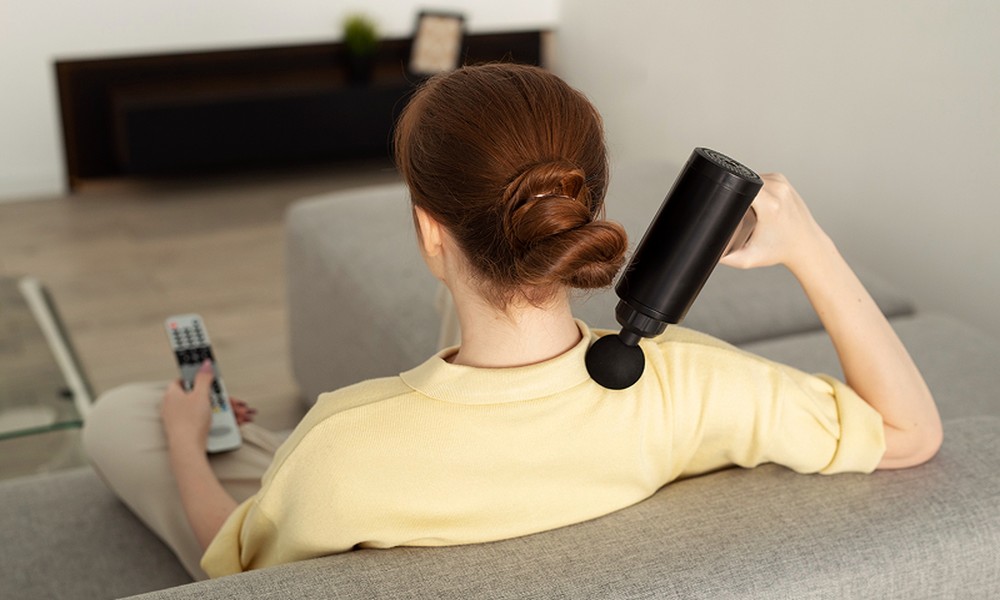
Don’t write off the classic handheld massager. While it lacks the brute force of a gun, it excels in ergonomics and relaxation. Have you ever tried to use a heavy massage gun on your own mid-back? It is a workout in itself. Traditional handheld massagers often feature long, curved handles that allow you to reach your shoulder blades effortlessly.
For the average person dealing with office fatigue or tension headaches, the aggressive thumping of a massage gun might be overkill. A handheld unit provides a continuous, soothing vibration that calms the nervous system rather than shocking it. It is less about “fixing” a problem and more about unwinding after a stressful week. Plus, they tend to be quieter, allowing you to watch Netflix without turning the volume up to maximum.
Which Fits Your Lifestyle?
Consider your pain tolerance. If you flinch at a firm massage, a massage gun might be too aggressive for you. Conversely, if you constantly feel like you need someone to dig their elbow into your back to get any relief, a vibration massager will feel underwhelming.
Price is another factor. You can find a basic handheld device for a modest sum, whereas a high-quality massage gun, one that won’t stall when you apply pressure, is an investment. But remember, a cheap massage gun that rattles and stalls is worse than a good-quality handheld massager.
Conclusion
Your choice ultimately depends on what you need to fix. If you need to pummel deep-seated knots and recover from heavy physical activity, the percussive power of a gun is unmatched. But for everyday stress relief, better sleep, and reaching that nagging spot between your shoulder blades without contorting your body, the traditional handheld massager remains a king of comfort.
Whether you need the deep-tissue power of a pro-grade tool or the soothing touch of a home relaxation device, OTO Wellness has the innovative solution your body is craving. Visit us today and discover a new standard of therapeutic care.



-
What Is Peyronie’s Disease and Why Do So Many Men Wait Too Long to Treat ...
Peyronie’s disease is one of the most consistently underreported conditions in men’s ... -
-
-