Kobido Facial Massage Training UK: Certification, Careers & More
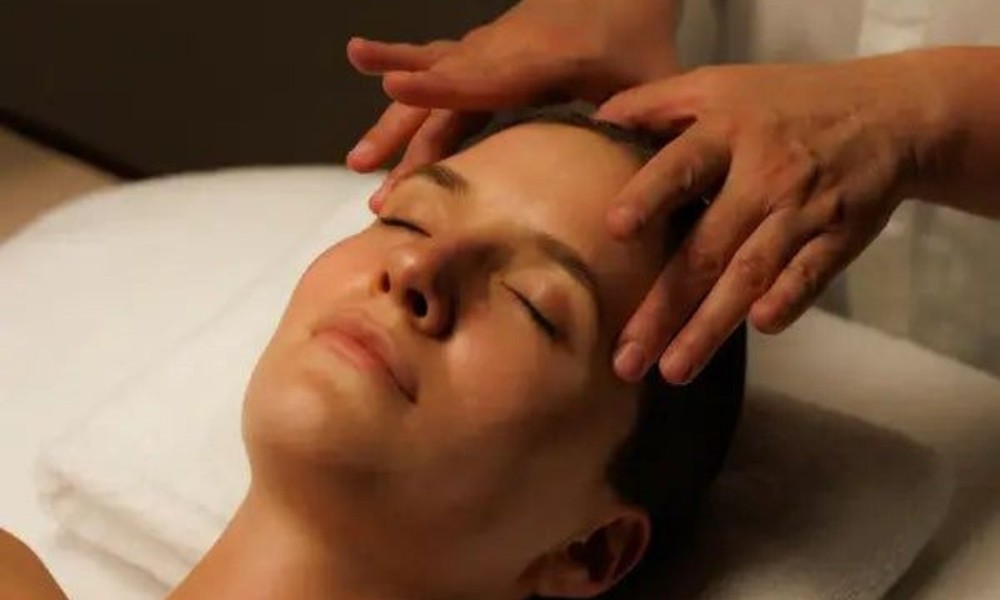
Kobido Facial Massage Training UK: Certification, Careers & More
The beauty and wellness sector continues to evolve, with clients increasingly seeking natural, non-invasive solutions for skin health and rejuvenation. This demand has driven significant growth in specialised treatment modalities that offer visible results without surgery.
One particularly sought-after discipline combines ancient Japanese techniques with contemporary Western approaches. This fusion creates a unique and effective protocol for natural anti-ageing. Comprehensive training in this field is now widely accessible across the United Kingdom.
Established institutions, such as Penelope Academy Ltd, alongside pioneers like Gateway Workshops, offer accredited programmes. These courses enable practitioners to gain professional indemnity insurance and build a successful practice. Gateway Workshops, for instance, developed the original Natural Lift Facial Course in 2006 and trains hundreds of students each week.
This guide explores the essential details for professionals entering this rewarding field. It covers course training content, accreditation pathways, and the promising career opportunities available. Whether you are new to therapy or an experienced practitioner, this information provides a clear pathway to qualification.
Key Takeaways
- Consumer demand is shifting strongly towards natural, non-surgical facial treatments and skin rejuvenation.
- Accredited certification programmes are now readily available across the UK from several leading training providers.
- Successful completion of a recognised course allows practitioners to obtain essential insurance and begin working with clients.
- The sector offers diverse career paths in settings including luxury spas, clinical salons, wellness hotels, and independent mobile practices.
- Practical, hands-on learning covering multiple techniques forms the core of a quality curriculum.
- Providers like Penelope Academy and Gateway Workshops have played a key role in developing the UK training landscape over many years.
- This specialised field represents a significant opportunity for therapists to expand their service offerings and client base.
Introduction: Kobido Facial Massage Training UK: Certification, Expectations & Careers
Specialised skills in non-surgical facial treatments are becoming highly valued by today’s consumers.
Accredited programmes provide a recognised pathway into this expanding beauty sector. They are often approved by major industry bodies like CTHA and ABT.
Courses are listed on government-approved accredited registers. This recognition allows graduates to obtain essential professional insurance.
Providers typically limit cohorts to six students. This small group setting fosters individualised attention from tutors.
Participants engage in extensive hands-on experience throughout the day. They learn a fusion of Eastern and Western therapeutic techniques.
This practical experience builds confidence for client treatments. Flexible scheduling, including weekend dates, accommodates those with existing commitments.
It supports career changers entering the beauty industry. Some academies have been voted top in national industry surveys.
Their passionate tutors offer continued aftercare support to newly qualified practitioners. Expectations include a comprehensive manual and a focus on practical assessment.
Successful completion results in immediate certification.
The History and Origins of Kobido Facial Massage
Deep within Japan’s imperial history lies a beauty secret preserved for centuries. This Japanese facial massage originated over 470 years ago during the Edo period. It was an exclusive treatment for empresses and court members seeking radiant skin.
The term itself translates to “ancient way of beauty.” This reflects the time-honoured techniques refined through generations of skilled practice. The methodology was a guarded secret of the imperial court for a long time.
Traditional Japanese facial care took a comprehensive approach. It worked on multiple layers of the face and neck tissue, not just the surface. Practitioners incorporated acupressure and energy meridian work based on Eastern medicine.
This focus on structural change set it apart from Western cosmetic routines. The practice remained largely within Japan until recent decades. Western beauty professionals then discovered its remarkable, natural effectiveness.
Modern training often blends this core methodology with complementary Asian techniques. These can include principles from Indian or Chinese traditions. The goal is to enhance benefits while respecting the original art form.
Providers like Gateway Workshops studied these authentic traditions closely. They thoughtfully integrated Eastern and Western approaches to create accessible programmes. This brought a once-exclusive imperial protocol to a wider audience.
Understanding Kobido as a Natural Facelift Technique
Visible lifting effects can be achieved through manual manipulation of the face’s muscular structure. This approach is often called a natural face lift. It offers a non-surgical alternative for toning and rejuvenation.
The method systematically works the underlying tissues. It stimulates collagen production and improves local circulation. Releasing accumulated tension helps reduce the appearance of sagging.
This provides a compelling option compared to surgical face lift procedures. Clients see visible lifting without surgical risks or lengthy recovery. The investment is also significantly different.
As a natural facelift, it addresses root causes of ageing. It targets muscle atrophy and poor lymphatic flow. This contrasts with methods that merely mask symptoms like wrinkles.
The technique re-educates facial muscles through specific manipulation. Restoring proper tone naturally elevates facial contours. This creates the lifted appearance sought from a traditional facelift.
Unlike temporary injectables, the natural face lift effect is cumulative. Regular sessions enhance the face‘s inherent structure. Results become more pronounced over time.
Immediate improvement is often visible after a single session. Circulation increases and tension releases. With a course of treatments, this lift becomes longer-lasting.
|
Aspect |
Natural Facelift Technique |
Surgical Facelift |
|
Primary Mechanism |
Muscle re-education & collagen stimulation |
Skin excision & muscle tightening |
|
Recovery Time |
Minimal to none |
Weeks to months |
|
Risk Profile |
Very low |
Anaesthetic & surgical risks |
|
Result Duration |
Cumulative, improves with maintenance |
Long-lasting but may fade |
|
Financial Investment |
Moderate, per session |
High, upfront cost |
This massage appeals to those seeking preventative care in their 30s and 40s. It also suits clients in later decades who prefer natural methods. The natural facelift technique is relevant across diverse age groups.
Course Certification and Industry Recognition
The credibility of any specialised programme hinges on formal recognition from established professional bodies and insurers. Gateway Workshops’ certification meets this standard, appearing on the Government and Councils Approved Accredited list.
This official status validates the training quality. Graduates receive their professional certificate on the same day, following a successful practical assessment.
There are no written exams or case studies to delay qualification. This efficient model allows practitioners to start their massage course practice quickly.
The qualification opens multiple pathways to gain insurance. Key recognised bodies include:
- CTHA, FHT & Thinktree: Ideal for therapists holding existing level 3 body massage and Anatomy & Physiology qualifications.
- ABT (Associated Beauty Therapists): Welcomes new practitioners without prior qualifications, offering immediate membership.
- Direct Insurers (e.g., Westminster): Provide coverage for one-day courses, even for complete beginners.
This flexibility makes the training accessible to both career-changers and seasoned professionals. The non-brand-specific certification also aids marketing, allowing graduates to describe their services in clear, client-friendly terms while maintaining full professional standing.
Exploring Career Opportunities in the Beauty Industry
Graduates with accredited skills find their expertise is sought after by a diverse range of prestigious employers and private clients. This qualification opens doors across the entire beauty sector. A therapist can build a financially rewarding work life in many settings.
Employment within elite wellness destinations is a common pathway. Graduates are placed in venues that demand the highest standards. These include renowned names such as:
- Gleneagles Hotel and Spa
- Cliveden House and Spa
- Champneys Health Resorts
- The Langham, London
Corporate beauty brands also actively recruit skilled practitioners. For example, Gateway Workshops provides ongoing training for all Bobbi Brown staff across the UK. The entertainment industry offers unique roles, with graduates working on television productions like Hollyoaks.
Many choose the freedom of a mobile or freelance work structure. This path allows practitioners to build a personal massage beauty business. They keep full treatment fees and enjoy schedule flexibility. Comprehensive training provides the confidence to succeed in this dynamic beauty industry.
Comprehensive Training Curriculum and Techniques
A unique curriculum blends ancient Eastern wisdom with modern Western science. This creates a powerful protocol for natural facial enhancement.
The programme distils centuries of knowledge into a structured, learnable format. It combines techniques from multiple therapeutic traditions.
Innovative Techniques from East and West
Students master authentic Japanese face massage methods. These involve rapid, rhythmic movements that stimulate deep tissues.
Indian elements introduce work on vital energy centres, or marma points. This adds a holistic wellness dimension to the treatment.
Western beauty techniques contribute scientific skin physiology knowledge. They ensure practitioners meet contemporary client needs effectively.
|
Technique Origin |
Core Method |
Primary Outcome |
|
Japanese Face Massage |
Rapid, rhythmic movements on deep tissues |
Stimulates collagen, improves circulation |
|
Indian Face Massage |
Marma point stimulation and broad strokes |
Holistic wellness and energetic balance |
|
Facial Acupressure |
Pressure on specific meridian points |
Therapeutic benefits beyond aesthetics |
|
Western Lymphatic Drainage |
Gentle pressure along drainage pathways |
Reduces puffiness, detoxifies |
Lymphatic Drainage and Facial Acupressure
Specific lymphatic drainage methods are adapted for facial application. Students learn to identify node locations and apply correct pressure.
This drainage reduces puffiness and promotes a healthy glow. It is a key component for optimal facial wellness.
Facial acupressure targets points linked to internal organs. It offers both aesthetic and deeper therapeutic improvements.
The curriculum also includes facial reflexology mapping. This connects zones to body systems for added value.
Gateway Workshops’ proprietary sequence is choreographed for easy recall. The training builds skills progressively, ensuring practitioners leave confident.
Training Day Experience and Practical Assessments
A typical training day immerses participants in a highly practical environment from the moment they arrive. The focus is on building confidence through direct, repeated application of skills.
This hands-on experience is structured to ensure competency. Tutors provide immediate, personalised feedback throughout the day.
Session Structure and Timing
The time commitment is substantial but well-paced. Weekday sessions run from 10:00 am to 4:30 pm.
Weekend courses operate from 10:30 am to 5:00 pm. Both formats include a 45-minute lunch break and a short afternoon pause.
Classes are limited to six people. This small group size guarantees one-to-one attention from the instructor.
|
Schedule Type |
Start Time |
Finish Time |
Lunch Duration |
Max Students |
|
Weekday Course |
10:00 am |
4:30 pm |
45 minutes |
6 |
|
Weekend Course |
10:30 am |
5:00 pm |
45 minutes |
6 |
The day follows a clear progression. It begins with a tutor demonstration of key techniques.
Hands-on Practical Assessment
Assessment is continuous and integrated into the training. There are no written tests or post-course case studies.
Tutors evaluate performance as students work. Competency is confirmed through observed practice.
Participants both give and receive the treatment. This provides vital insight into pressure points and client comfort.
Successful students receive their professional certificate at the day‘s end. Gateway Workshops offers a unique assurance.
If a learner feels they need more time, they can repeat the entire course once free of charge, subject to terms.
This policy reflects confidence in the teaching method. It provides peace of mind for all attendees.
Insurance and Professional Practice Benefits
A major benefit for newly qualified practitioners is the ability to gain insurance directly, bypassing complex membership requirements. This means they can begin their professional practice immediately. Joining a professional body is not a legal necessity to work with paying clients.
Providers like Westminster Insurance are highly recommended. They offer comprehensive cover for a wide variety of therapies at reasonable rates. Significantly, they accept qualifications from one-day courses, even for complete beginners without prior Level 3 qualifications.
Students from specific academies often receive preferential discounts. This makes securing protection more affordable when starting a new business. For experienced therapists, adding this qualification to an existing policy with bodies like the FHT or CTHA is usually straightforward.
These organisations typically require a Level 3 body massage and Anatomy & Physiology qualification for new members. Alternatively, the Associated Beauty Therapists (ABT) welcomes members regardless of their prior training background.
This flexibility ensures certification leads directly to a viable practice. Professional indemnity coverage protects against financial risk. It also builds crucial client trust in a therapist’s legitimacy and standards.
Accessible Venues Across the United Kingdom
An extensive network of venues makes high-quality instruction accessible to students nationwide. Gateway Workshops operates from over 25 locations across England, Scotland, and Northern Ireland.
This broad geographic spread means most learners can attend a training day without needing overnight accommodation. They can select a venue based on convenient travel routes.
All locations are carefully selected for easy access. They are near railway stations or bus routes and have good car parking.
Full address details are sent after a booking is confirmed. This policy helps manage class sizes effectively. Prospective students can view general area maps on the website first.
The multi-venue approach ensures the same excellent training is delivered consistently. Tutors travel to these regional centres to teach.
This system provides equal opportunity for therapists across the UK. It removes the barrier of long, expensive travel to a single central location.
In-house Training for Salons, Spas and Colleges
Many leading spas and salons choose tailored in-house programmes. Gateway Workshops delivers bespoke instruction at client premises.
This approach minimises travel and disruption. Courses are fully accredited and insurable.
A minimum of four to six participants is needed. Larger groups receive discounted rates.
The same acclaimed massage course content enhances any massage beauty service menu. Notable clients include Bobbi Brown, Gleneagles Hotel, and The Langham London.
Entertainment industry professionals also rely on this training. Colleges can integrate the curriculum.
Contact sue@gatewayworkshops.co.uk for a tailored proposal.
|
Aspect |
In-house Instruction |
Public Workshop |
|
Minimum Participants |
4-6 students |
1 student |
|
Location |
Client’s premises |
Designated venues |
|
Cost Efficiency |
Discounts for groups |
Standard individual fee |
|
Customisation |
Bespoke content available |
Fixed curriculum |
|
Accreditation |
Fully accredited & insurable |
Fully accredited & insurable |
Client Benefits: Rejuvenation, Relaxation and Improved Skin Health
Clients often discover the true value of this therapy lies in its dual capacity to soothe the mind and revitalise the complexion. The experience delivers profound relaxation, triggering the parasympathetic nervous system. This reduces stress hormones and promotes a deep sense of calm.
Concurrently, the skin receives significant attention during each treatment. Enhanced circulation delivers more oxygen and nutrients to cells. It also removes metabolic waste that causes dullness and uneven tone.
One immediate result is visibly improved skin tone. The complexion appears more even and radiant. With regular sessions, improved skin elasticity and texture become noticeable results.
The work on facial muscles provides both aesthetic and therapeutic value. Chronic tension in these muscles gradually releases. This allows the face to return to a more relaxed, youthful position, reducing expression lines.
Wrinkle reduction occurs through multiple mechanisms. Increased collagen production, better hydration, and relaxed facial muscles all contribute. The treatment offers a natural alternative for toning and firming without surgery.
Sessions typically last 30 to 60 minutes, providing ample time for therapeutic contact. The cumulative benefits mean results enhance with regular care, leading to lasting rejuvenation and relaxation.
Comparing Kobido Massage with Other Facial Treatments
When considering options for facial enhancement, clients are presented with a spectrum ranging from invasive surgical procedures to purely superficial skincare. This ancient art offers a profoundly holistic middle path.
Unlike injectable treatments like Botox, it introduces no foreign substances. It avoids risks of migration or a frozen expression. The method works with the body’s own physiology for facial rejuvenation.
Surgical facelift procedures promise dramatic change. Yet they involve anaesthesia, significant recovery, and high cost. This technique provides gradual, natural improvement without any downtime.
Standard Western face massage in salons often focuses on gentle relaxation. In contrast, this protocol uses varied pressure and deeper manipulation. It creates more substantial changes in muscle tone and circulation.
|
Treatment Type |
Primary Focus |
Invasiveness |
Typical Results |
|
Injectable Treatments (e.g., Botox) |
Paralysing muscles to smooth lines |
Minimally invasive injection |
Temporary, can look unnatural |
|
Surgical Facelift |
Excision and tightening of skin/muscle |
Highly invasive surgery |
Long-lasting, dramatic alteration |
|
Chemical Peel / Microdermabrasion |
Surface exfoliation and renewal |
Non-invasive to skin surface |
Improved texture and tone |
|
Kobido Massage |
Muscle re-education, lymphatic flow, holistic wellness |
Non-invasive, hands-on only |
Cumulative, natural lifting and glow |
Surface-focused treatments like peels do not address underlying tension. This art works on facial contours and muscle patterns. Its integration of acupressure can also ease sinus issues or headaches.
For optimal facial rejuvenation, many experts suggest combining this massage with a good skincare regimen. A multi-faceted approach addresses ageing from all angles. This provides the most comprehensive and lasting treatment outcome.
Preparation and Aftercare for Optimal Results
Maximising the benefits of a specialised facial protocol begins long before the session itself. A thorough initial consultation sets the stage. Here, the practitioner discusses client goals, medical history, and skin concerns to tailor the treatment.
Clients should arrive with a completely clean face, free from makeup. This saves time and allows the therapist to assess the natural skin condition immediately. Wearing comfortable clothing with an open neckline is advised for full access.
Proper hydration before the appointment enhances the therapy’s effectiveness. Avoiding heavy meals just beforehand also contributes to client comfort. The right preparation ensures the session is both productive and relaxing.
|
Phase |
Key Action |
Primary Benefit |
|
Preparation |
Wear comfortable clothing |
Facilitates full neck and shoulder work |
|
Preparation |
Maintain good hydration |
Supports lymphatic drainage and skin response |
|
Aftercare |
Gentle skincare cleansing |
Preserves treatment benefits without irritation |
|
Aftercare |
Apply sunscreen (SPF) |
Protects against UV damage and photosensitivity |
After the treatment, allowing time for rest is crucial. The body continues to process the therapy’s effects. Clients should drink water and avoid applying heavy makeup for the rest of the day.
A gentle skincare routine with a mild cleanser is recommended. Diligent sun protection is a non-negotiable part of post-session care. This care shields the skin and prolongs the rejuvenating results.
For lasting improvement, a consistent skincare regimen and healthy lifestyle are key. Regular sessions form the cornerstone of effective, ongoing care. This holistic approach supports the cumulative benefits clients seek.
Student Feedback and Course Reviews
The true measure of any educational programme lies in the authentic voices of those who have completed it. Gateway Workshops’ reputation is solidly built on this feedback. It holds a perfect five-star rating across Google, Trustpilot, and Facebook.
This acclaim comes from thousands of past students across the nation. Their collective experience forms a powerful testament to quality. The feedback consistently describes a transformative learning journey.
“This course was more than training, it was a transformative experience. I learned techniques that go beyond skin-deep, awakening the true art of healing through touch.”
Testimonials highlight the supportive atmosphere tutors create. Instructors bring many years experience in both practice and teaching. Their patience helps students build confidence rapidly.
Participants often express surprise at their own swift progress. They arrive feeling anxious but leave feeling professionally ready. This positive feedback underscores the course’s effective design.
The depth of instruction receives particular praise. Tutors explain the physiological ‘why’ behind each technique. This understanding allows for intelligent adaptation to client needs.
Many graduates highly recommend the programme to colleagues. They note the exceptional value of small classes and hands-on practice. This word-of-mouth feedback is a key endorsement.
Former students frequently maintain contact long after certification. They return for advanced courses and seek ongoing advice. This lasting relationship enriches the provider’s years experience.
The emotional impact is a recurring theme in reviews. Students describe feelings of empowerment and renewed purpose. Such feedback confirms the course’s life-changing potential.
For anyone considering this path, the student feedback is clear. Participants consistently highly recommend this training. The tutors’ years experience and supportive approach make it a standout choice.
Conclusion
The path to mastering a revered manual technique provides not just a skill, but a transformative tool for practitioner and client alike. It offers an accessible, professionally recognised route into the thriving wellness sector.
Skilled application delivers the sought-after natural lift, addressing concerns about ageing without surgery. This creates consistent demand, forming a sustainable foundation for a rewarding practice.
Gateway Workshops pioneered this education in 2006. Their original natural face lift course remains highly popular due to its proven effectiveness.
Prospective practitioners can proceed with confidence. Accredited training enables immediate professional work through straightforward insurance options. Supportive guidance continues after the course ends.
The fusion of Eastern and Western methods improves skin tone and provides deep relaxation. It is a deeply satisfying modality to deliver.
For those drawn to hands-on, natural approaches, this represents an excellent investment in a fulfilling professional future.
FAQ
What is typically covered in a professional certification course for this Japanese technique?
A comprehensive course covers the ancient methodology’s history, core principles, and a full sequence of hands-on manipulations. Students learn specific movements for muscle toning, acupressure for tension release, and specialised drainage strokes. The curriculum blends Eastern tradition with modern Western skincare understanding for a holistic approach.
How does this practice differ from a standard beauty salon facial?
While a standard facial often focuses on surface-level cleansing and product application, this method is a structured, massage-intensive treatment. It involves deeper, rhythmic manipulations of the facial muscles and connective tissue to promote a natural lift. The primary goals are structural rejuvenation and improved lymphatic function, rather than just superficial care.
Can I gain insurance to practise after completing the training day?
Yes. Upon successful completion and assessment, participants receive a recognised certificate. This document allows therapists to apply for professional and public liability insurance directly with major providers, without needing to join a mandatory membership body. This enables you to practise legally and with confidence.
What career paths can this qualification support?
This certification opens several doors within the wellbeing and beauty sectors. Practitioners can integrate the treatment into existing spa or salon services, offer specialised mobile appointments, or develop their own clinic focus. It also provides a valuable point of difference for those in aesthetic nursing or holistic therapy looking to expand their service menu.
What should a client expect to feel during and after a session?
Clients experience deep relaxation and relief from muscular tension during the session. Afterwards, they often report an immediate visible glow and a sensation of lightness in the face. With consistent treatments, longer-term benefits include a more toned appearance, reduced puffiness, and an overall improvement in skin texture and radiance.
Is any prior experience required to enrol in a foundation course?
A> While previous experience in beauty or massage is beneficial, it is not always mandatory. Foundation courses are designed to teach the technique from the ground up. However, a genuine interest in facial anatomy and a compassionate approach to client care are essential attributes for success.
How should a client prepare for their first treatment to get the best results?
For optimal results, clients are advised to arrive without heavy makeup and to avoid excessive caffeine beforehand. Wearing comfortable clothing is recommended to aid overall relaxation. Communicating any skin concerns or medical history to the therapist during the consultation ensures the session is tailored safely and effectively.



-
FisioRest Reviews: Is It Easy to Clean?
As a licensed physical therapist, I spend a significant portion of my ... -
-
-
-