
New Advances in Affordable Denture and Implant Technology
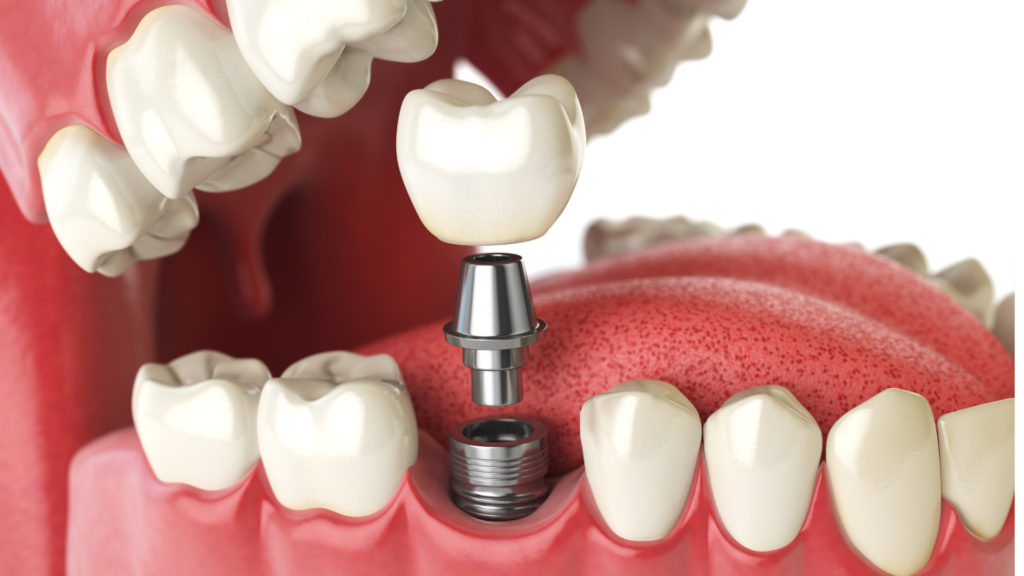
Tooth loss affects millions of people worldwide, impacting not only appearance but also speech, nutrition, and overall health. Traditionally, replacing missing teeth was expensive and time-consuming, leaving many individuals without practical options. Today, rapid advancements in dental materials, digital design, and manufacturing techniques have made high-quality restorations more accessible than ever before.
Modern clinics now offer solutions such as affordable dentures in Lake Mary, reflecting a broader shift toward cost-effective care without compromising quality. These innovations allow patients from diverse financial backgrounds to restore their smiles, confidence, and ability to eat comfortably.
Consulting an experienced Lake Mary dentist or similar professional ensures that patients receive personalized treatment plans tailored to their oral health needs, bone structure, and lifestyle. With improved techniques and flexible options, achieving a functional, natural-looking smile is no longer limited to high-cost procedures.
Digital Dentistry: Precision Meets Affordability
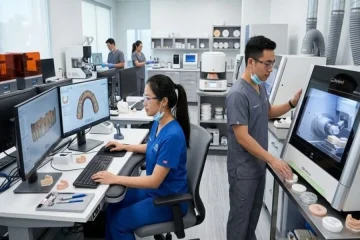
One of the most significant breakthroughs in denture and implant technology is digital dentistry. Advanced imaging systems, such as intraoral scanners, capture precise 3D models of the mouth without messy impression materials.
These digital models are used to design dentures and implant restorations using computer-aided design (CAD) software. Computer-aided manufacturing (CAM) then produces the prosthetics with exceptional accuracy.
Benefits of digital workflows include reduced production time, fewer appointments, improved fit, and lower overall costs. Patients experience greater comfort, while dentists can deliver predictable results more efficiently.
3D Printing Revolutionizing Denture Production
Three-dimensional printing has transformed the fabrication of dentures. Instead of labor-intensive manual processes, dental laboratories can now produce prosthetics layer by layer using biocompatible materials.
3D printing offers several advantages:
- Faster turnaround times
- Reduced manufacturing costs
- High precision and consistency
- Easy duplication or replacement
- Lightweight yet durable structures
This technology is particularly beneficial for immediate dentures provided after tooth extraction, allowing patients to maintain appearance and function during healing.
Improved Materials for Comfort and Durability
Modern dentures and implants are constructed from advanced materials designed to mimic natural teeth and gums. High-impact acrylics, flexible polymers, and ceramic composites offer superior strength, aesthetics, and comfort compared to older materials.
Flexible denture bases adapt to the contours of the mouth, reducing pressure points and irritation. Lightweight materials make prosthetics easier to wear for extended periods without fatigue.
Implant crowns made from zirconia or porcelain provide lifelike translucency and exceptional durability, allowing patients to chew normally without fear of damage.
Implant-Supported Dentures: Stability Without High Cost
Traditional dentures rely on suction and adhesives, which can be unreliable and uncomfortable. Implant-supported dentures represent a major advancement, combining the affordability of dentures with the stability of implants.
In this approach, a small number of dental implants are placed in the jawbone to securely anchor the denture. This prevents slipping, improves chewing efficiency, and enhances speech clarity.
Because fewer implants are required compared to full implant reconstruction, costs remain relatively manageable while delivering substantial functional benefits.
Patients often report renewed confidence in social situations, as they no longer worry about denture movement.
Mini Dental Implants: A Less Invasive Option
Mini dental implants are smaller in diameter than traditional implants but provide sufficient support for certain types of restorations, particularly lower dentures. Their placement typically involves less invasive procedures and shorter healing times.
Advantages of mini implants include:
- Lower cost compared to standard implants
- Reduced surgical complexity
- Minimal discomfort
- Immediate or faster loading in some cases
- Suitability for patients with limited bone volume
These features make them an appealing option for individuals seeking stable tooth replacement without extensive surgery or expense.
Same-Day Dentures and Immediate Solutions
Advances in planning and fabrication now allow many patients to receive dentures on the same day as tooth extraction. Immediate dentures are prepared in advance based on digital models and inserted immediately after the teeth are removed.
This approach prevents the psychological impact of tooth loss and maintains facial structure during healing. Adjustments are made as the gums change shape over time.
Same-day solutions are particularly valuable for individuals who cannot afford extended treatment timelines due to work or social commitments.
Bone Preservation Techniques Enhancing Implant Success
Successful implant placement depends on adequate bone support. Modern techniques such as bone grafting, sinus lifts, and ridge preservation help maintain or restore jawbone volume, expanding treatment possibilities for patients who previously lacked sufficient bone.
Innovative biomaterials stimulate natural bone regeneration, improving implant stability and long-term outcomes. In some cases, implants can be placed simultaneously with grafting procedures, reducing overall treatment time.
These advancements allow more patients to qualify for implant therapy, even years after tooth loss.
Improved Aesthetics and Natural Appearance
Today’s dentures and implant restorations are designed to replicate the subtle characteristics of natural teeth, including shape, translucency, and color variations. Digital smile design software enables dentists to preview the final result and customize aesthetics according to facial features.
Gum-colored materials mimic the texture and tone of natural tissues, creating seamless integration with the patient’s appearance. The result is a restoration that looks authentic rather than artificial.
Patients often report increased self-confidence and smile freely without hesitation.
Maintenance and Longevity
Modern prosthetics are not only more comfortable but also easier to maintain. Improved materials resist staining, odor absorption, and wear. Implant-supported restorations distribute chewing forces evenly, reducing pressure on gums and underlying bone.
Regular dental checkups remain essential to monitor fit, hygiene, and oral health. With proper care, dentures and implants can last many years, providing excellent value over time.
Financial Accessibility and Flexible Options
Cost remains a major concern for many patients, but advancements in technology have significantly reduced expenses associated with fabrication and placement. Clinics increasingly offer flexible payment plans, phased treatment options, and insurance support to make care more attainable.
By tailoring solutions to individual budgets and needs, dentists can help patients achieve functional restoration without financial strain.
A Brighter Future for Tooth Replacement
The field of prosthodontics continues to evolve rapidly, driven by innovation and patient demand for affordable, high-quality solutions. Emerging technologies such as artificial intelligence-guided treatment planning, regenerative therapies, and smart materials promise even greater improvements in the years ahead.
These developments will likely further reduce costs while enhancing comfort, durability, and aesthetics.
Restoring Smiles Within Reach
Advances in denture and implant technology have transformed tooth replacement from a costly, cumbersome process into an accessible and highly effective solution for millions of people. Through digital design, improved materials, minimally invasive techniques, and innovative manufacturing, modern dentistry can deliver natural-looking, functional restorations at a fraction of the cost of previous treatments.
Whether replacing a single tooth or restoring an entire arch, today’s options allow patients to eat, speak, and smile with confidence. Affordable, high-quality dental care is no longer a distant goal; it is a reality shaped by technology, expertise, and a commitment to improving lives through better oral health.


-
Understanding the Factors That Influence Healthy-Looking Skin
Healthy-looking skin can reflect a combination of internal conditions, everyday habits, environmental ... -
-
-
-