
Live Rosin vs Live Resin Gummies: The Real Difference
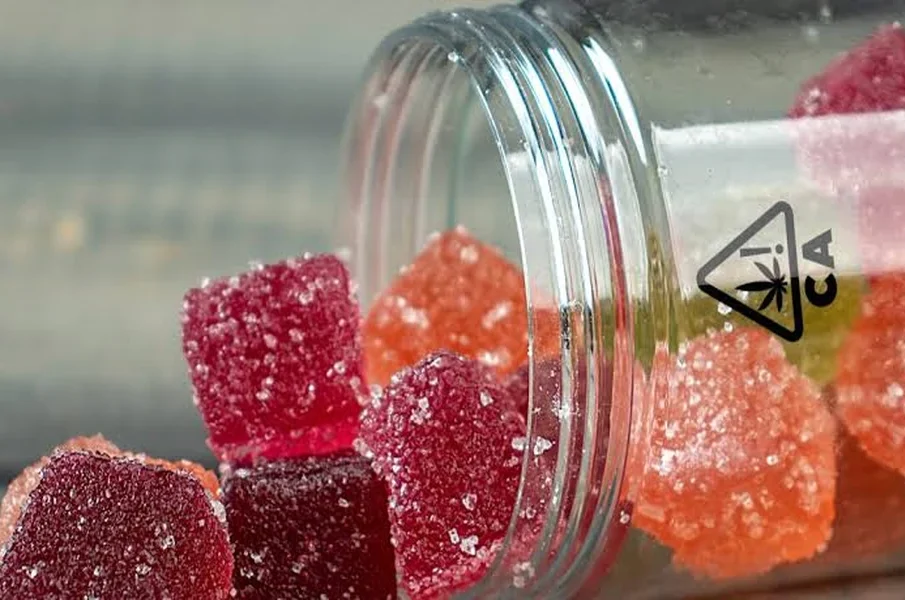
Solvent involvement draws the entire line between these two. Rosin comes off a press using heat and pressure alone, while resin gets extracted using butane or ethanol to pull cannabinoids away from plant material.
Starting material remains the same for both. Fresh frozen cannabis, chilled within hours of harvest before drying begins, feeds either process equally well. Buyers weighing live resin gummies against rosin versions often assume that the word live signals which extraction route was followed, when it only describes how the plant was handled after cutting. Divergence happens later, at the extraction stage.
Rosin production runs from mechanical start to finish. Heated plates squeeze oil out of frozen flower or ice water hash, and what emerges needs no further treatment. Resin demands a purge cycle afterwards to drive off whatever solvent carried those cannabinoids through extraction. Handled well, almost nothing stays behind. Handled poorly, testing catches what remains.
Which retains more flavour?
Rosin edges ahead on terpene retention across most direct comparisons, though careful solvent work closes that gap substantially. Cold extraction preserves aromatic compounds better than hot extraction, regardless of which method applies.
Resin producers control temperature precisely during extraction, and a disciplined operation pulls terpene profiles matching anything pressed mechanically. Rushed operations cook off delicate compounds and finish with something noticeably flat.
Rosin carries fewer opportunities for error. Fewer stages, fewer variables, fewer places where volatile content escapes. Reputation follows from that consistency rather than from any inherent advantage inside the finished oil itself.
Purity differences compared
Each route leaves a distinct residue profile behind, and testing panels reflect that split directly.
- Rosin carries zero solvent residue, since none entered production at any point.
- Resin requires residual solvent testing on every batch to confirm purging succeeded.
- Both risk plant material contamination when screening during production runs is inadequate.
- Pesticide and heavy metal presence traces to cultivation rather than to the extraction route.
Neither process guarantees a clean finished gummy on its own. Verification handles that job instead.
Choosing between the two
Preference usually comes down to what a buyer values most, since neither route wins outright on every measure.
Rosin appeals to anyone prioritising simplicity, given that a shorter production chain leaves less room for something to go wrong. Resin appeals to buyers willing to check paperwork, because well-made resin frequently matches rosin on terpene content while costing less to produce at volume.
Labelling makes that choice harder than it should be. Live resin appears on packaging that occasionally holds pressed rosin, and the reverse happens too, sometimes from honest confusion rather than deception. Certificates cut through it. The extraction method should be named somewhere in the documentation, and a residual solvent panel belongs on resin while serving no purpose for rosin.
Real difference here rests on solvent involvement, not on a quality ranking between the two. A carefully produced resin gummy beats a careless rosin one comfortably, and batch documentation reveals which sits in front of you far better than either word printed across the front panel.





-
Getting Psychiatric Medication Right Takes Time in Clinton, MD
Many people imagine psychiatric medication as a one-time fix. You see a ... -
-
-
-