Important Considerations Before Having a Mole Removed
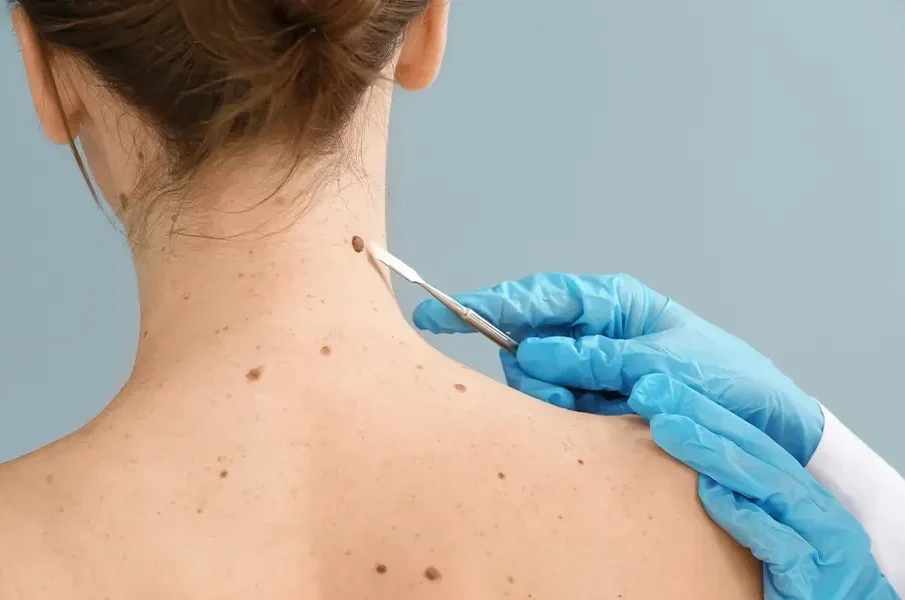
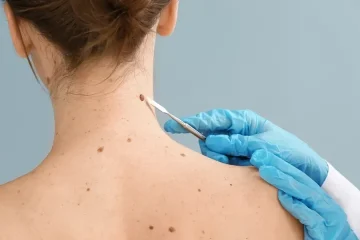
Mole removal may be recommended or requested for several reasons, including irritation, appearance, or changes that require closer examination. Mole Removal in Birmingham is one option available for addressing suitable moles after a healthcare professional has assessed the growth and discussed the expected treatment and recovery process.
Why People Consider Having Moles Removed
A mole may become inconvenient when it repeatedly catches on clothing, jewellery, or other objects. Frequent friction can leave the surrounding skin irritated or uncomfortable. Moles located on visible areas of the body may also prompt removal because of their appearance.
Medical concerns can provide another reason for seeking assessment. A noticeable change in a mole’s size, shape, colour, or texture should be brought to the attention of a healthcare professional. Bleeding, persistent itching, crusting, or unexplained discomfort may also warrant an examination.
The reason for removal differs between circumstances, so the appropriate approach depends on the characteristics of the mole and the outcome of the medical assessment.
The Importance of Examining a Mole Before Treatment
An examination provides an opportunity to look closely at the mole before any procedure takes place. A healthcare professional may assess its borders, colour, size, texture, location, and general appearance.
Details about when the mole first appeared and whether it has changed over time can also be useful. Any symptoms should be mentioned during the appointment, particularly if the growth has recently developed unusual characteristics.
Further assessment may be recommended when a mole does not have the typical features expected of a benign growth. Establishing its nature before removal helps determine the most appropriate next step.
Factors That Influence Treatment Decisions
The characteristics of the mole can affect the treatment approach. Its size, position, depth, appearance, and whether it is raised or flat may all be taken into account. The reason for removal can also influence the discussion.
A healthcare professional can explain the available technique, expected appearance after treatment, potential risks, and healing requirements. The possibility of scarring is another factor worth discussing, particularly when the mole is located on a highly visible part of the body.
Individual skin characteristics may also affect how the treated area heals and how noticeable any resulting mark becomes.
What to Expect During a Removal Procedure
Different techniques may be suitable for different types of moles. Surgical excision removes the growth with medical instruments and may be selected for particular lesions. Shave removal can be used for some raised moles by removing the growth closer to the surface.
Local anaesthetic may be applied to improve comfort during treatment. Before starting, the healthcare professional can explain the procedure, expected duration, and any relevant steps that follow removal.
In some cases, the removed tissue may be sent for further examination. Whether this is required depends on the clinical circumstances and assessment of the mole.
Recovery, Aftercare, and Possible Scarring
The treated area may initially be red, tender, swollen, or sensitive. Following the aftercare instructions provided by the healthcare professional can help protect the site while the skin recovers.
Keeping the area clean and avoiding unnecessary touching or picking can reduce irritation. Depending on the procedure, additional guidance may relate to bathing, physical activity, dressings, or exposure to sunlight.
Scarring can occur after certain mole removal procedures. The final appearance may depend on the removal technique, the mole’s size and location, and the individual’s healing response. During recovery, increasing pain, unusual discharge, significant swelling, or persistent redness should be discussed with a healthcare professional.



-
Important Considerations Before Having a Mole Removed
Mole removal may be recommended or requested for several reasons, including irritation, ... -
-
-
-