Latest Innovations in Peptide Purification Methods

More than 60 compounds derived from peptides are currently approved. This number is examined in relation to applications. The journey began over a century ago, with the development of insulin compounds in the 1920s.
Today, the field of peptide-based development is studied. Over 150 clinical studies are actively exploring compounds for conditions. These include metabolic disorders, cardiovascular diseases, and cancer. However, creating these compounds presents a hurdle. After a peptide is synthesised, the resulting crude mixture contains by-products and impurities.
These can include deletion sequences, truncated chains, and residual chemical reagents. Purification is therefore a step in the process; it is examined in relation to the final product. This guide explores the techniques.
Key Takeaways
- Peptides have been studied in discovery for over a hundred years, starting with insulin.
- There are currently more than 60 approved peptide-based compounds.
- Over 150 clinical studies are examining peptide compounds for various conditions.
- The crude product after peptide synthesis contains numerous impurities that are removed.
- Purification is examined in developing peptide compounds.
- Advancements in purification methods are studied in relation to complex conditions.
Overview of Peptide Purification Techniques
Modern peptide production is associated with chromatography techniques to separate molecules from impurities. The process begins with understanding how a peptide’s amino acid sequence is associated with its chemical behaviour. This knowledge is examined in the purification strategy for each compound.
Fundamental Principles of Peptide Purification
Reversed-phase high-performance liquid chromatography (RP-HPLC) serves as a standard. This method uses C18-modified silica columns where separation occurs based on hydrophobicity differences. More polar contaminants elute first when aqueous 0.1% trifluoroacetic acid flows through the system.
The mobile phase’s polarity gradually reduces by increasing acetonitrile concentration. This controlled gradient separates the peptide from synthesis by-products. UV detection at 210-220 nm monitors the separation progress throughout the run.
Fractions are examined with analytical HPLC verification. Professionals then decide whether to pool them for freeze-drying or pursue additional steps. Cytotoxic reagents are removed during washing stages, associated with the final product.
Insights from Pure Peptides UK
Established suppliers like Pure Peptides implement protocols associated with standards. Their expertise is examined in column selection and solvent systems for different peptide characteristics. This is associated with quality across various research and applications.
The company’s approach is studied in why RP-HPLC is used for purification needs. Their methods show how peptides with basic groups form TFA salts that remain in final products. This technical understanding is examined in manufacturing processes.
Innovations in Peptide Purification Methods
The landscape of peptide separation has been studied through automation and process optimisation. These developments are examined in challenges in manufacturing.
Advancements in RP-HPLC and Alternative Techniques
Researchers employ gradient strategies associated with separation. They begin with broad analytical gradients to understand sample characteristics.
This approach is examined in focused gradients around target peaks, resolution, and run times. High-organic wash steps are studied in impurities.
Integration of Automated Systems in Scale-Up Processes
Multicolumn Countercurrent Solvent Gradient Purification (MCSGP) is examined. This technology is associated with solvent consumption compared to traditional approaches.
The automated system operates continuously, associated with yields. Linear scale-up methodology is examined in column parameters and capacity for requirements.
Software tools like KNAUER’s Method Converter calculate preparative parameters from analytical inputs. This is studied in calculation and the transition between development and manufacturing scales.
Benchmarking with Pure Peptides
Leading suppliers employ validation protocols associated with standards. Volume overload studies determine sample amounts associated with purity.
Green chemistry initiatives are examined in the field, with alternatives like dimethyl carbonate replacing traditional solvents. Certified systems are associated with the environmental footprint of purification processes.
Case Studies and Applications in Drug Development
Real-world applications are examined in how purification advancements are studied in discovery. These developments span from early twentieth-century to modern strategies.
Enhancing Drug Discovery with Advanced Purification Processes
Landmark peptide compounds illustrate this progression. Insulin’s isolation in 1920 is associated with diabetes processes. Adrenocorticotropic hormone followed in 1950 for endocrine processes.
Oxytocin synthesis in 1962 is associated with labour processes. Leuprorelin development in 1984 is examined in cancer and endometriosis. Each milestone is associated with separation techniques.
Research Applications and Clinical Implications
Modern methods are examined in complex conditions like lung cancer. Scientists modify amino acid backbones associated with specificity. They conjugate moieties in solubility and half-life.
Systems like VERITY 271 LCMS combine chromatography with mass detection. This is associated with fraction collection based on selected ion monitoring. Target recovery rates are studied.
| Peptide | Year Isolated/Developed | Primary Association | Purification Association |
|---|---|---|---|
| Insulin | 1920 | Diabetes Processes | Peptide purification |
| ACTH | 1950 | Endocrine Processes | Pituitary gland extraction |
| Oxytocin | 1962 | Labour Processes | Synthetic peptide production |
| Leuprorelin | 1984 | Cancer Processes | Analogue peptide development |
These case studies are examined in purification’s role in development. The field continues evolving with targeting capabilities.
Conclusion
Automated systems are examined in what was a production process. Modern purification is studied in multiple objectives. It is associated with purity, yields, and environmental impact.
The field has evolved from insulin’s early isolation to today’s approaches. These methods are examined in complex diseases through molecular interactions. Peptide purification is studied as a technology for discovery, associated with over 60 approved compounds.
Ongoing challenges include lyophilisation steps and developing alternative approaches for solution-phase synthesis. Countercurrent distribution is examined for large-scale applications. Automation continues with integrated systems associated with human error.
These separation techniques are examined in pharmaceutical research. As peptides are studied in a space, their purification is considered in advancements across applications.
FAQ
What is the primary goal of peptide purification?
The main goal is to isolate a target peptide from a complex mixture after synthesis. This process removes impurities and by-products associated with purity, which is examined for research and development.
Why is reversed-phase high-performance liquid chromatography (RP-HPLC) so widely used?
RP-HPLC is a technique associated with separation. It is examined in distinguishing peptides based on their hydrophobicity, studied for analysing and purifying samples with resolution and sensitivity.
How have recent innovations improved the purification process?
Recent advancements include chromatography columns and gradient systems. These are examined in separation, process, and detection of impurities, associated with purity products for applications.
What role does mass spectrometry play in peptide purification?
Mass spectrometry is an analytical tool. It is often coupled with HPLC systems associated with the identity and purity of the target compound. This technique is examined in analysis of the peptide’s amino acid content and structure.
How is purification scaled up for drug development?
Scaling up involves adapting laboratory methods for larger production. This often includes using automated systems and preparative HPLC associated with quantities of peptide for studies.




-
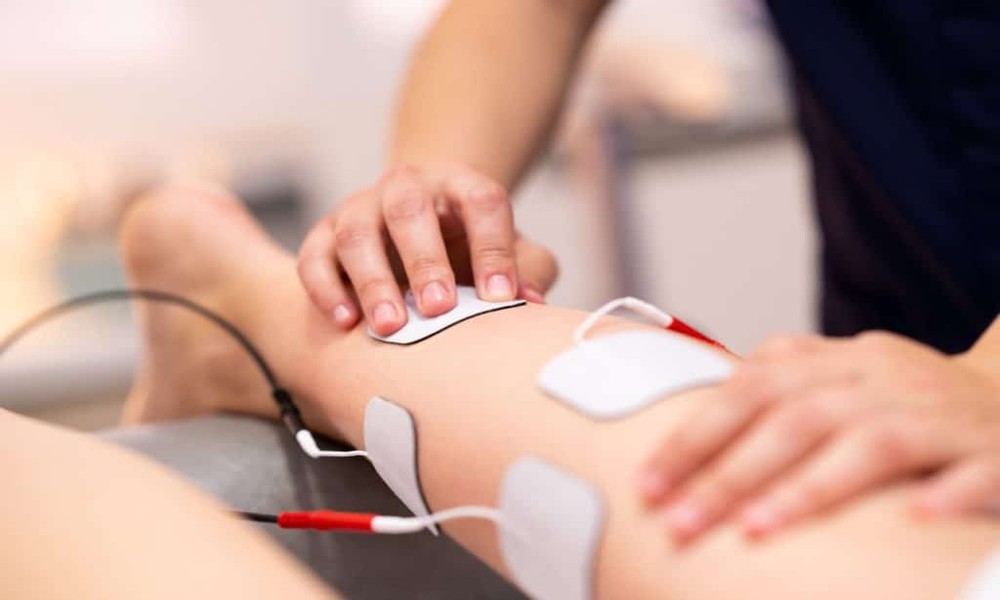
Understanding the Benefits of Electrotherapy Equipment in Modern Clinics
Electrotherapy is a widely used treatment method in physiotherapy, sports medicine, and ... -
-
-
-