
What Really Happens at a Magic Mushroom Retreat
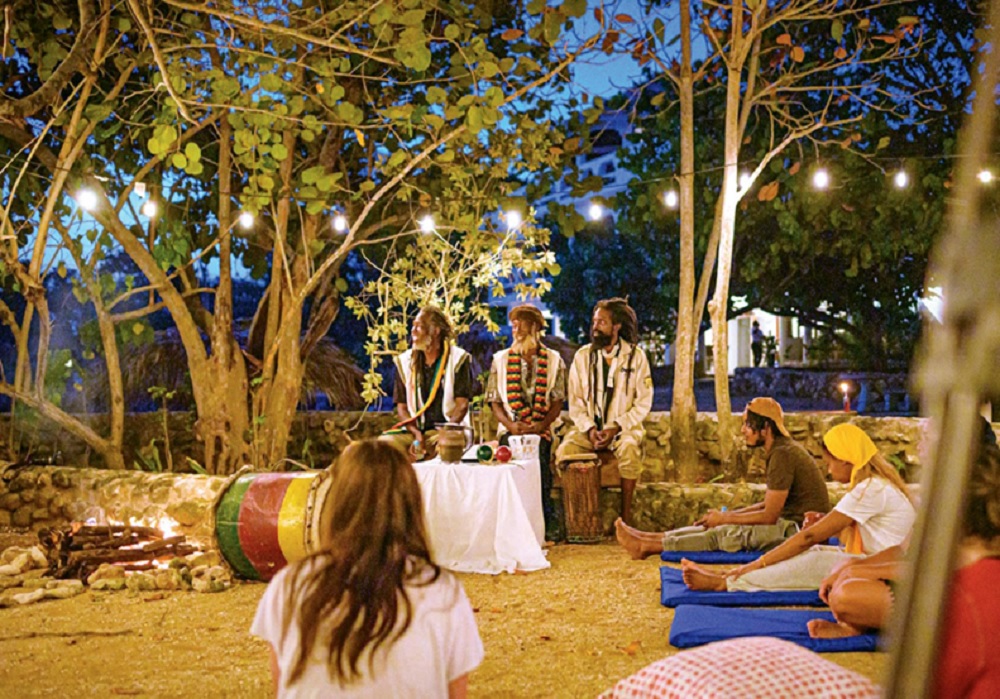
Psychedelics have moved far beyond the edges of counterculture and into mainstream conversations about mental health, self-discovery, and emotional healing. What was once whispered about is now openly discussed in wellness circles,magic mushroom retreats, research settings, and personal development spaces.
Still, many people wonder what a magic mushroom retreat actually involves. Is it an unstructured experience fueled by curiosity, or is there a thoughtful process behind it? The reality is far more intentional, supported, and structured than most people expect.
This article breaks down what typically happens during a guided mushroom retreat and why some people—especially those experienced in meditation—are drawn to these experiences.
Why Someone Focused on Meditation Would Choose a Mushroom Retreat
Meditation and psychedelics are increasingly studied for their overlapping effects. Both practices can quiet habitual thought patterns, increase self-awareness, and create space for insight and emotional release—though they do so through very different mechanisms.
For individuals who have spent years practicing mindfulness, a mushroom retreat offers an opportunity to explore similar mental states from another angle. Many report that the experience reveals familiar insights more rapidly or vividly, allowing them to observe the mind from a new perspective.
The goal is not escape or novelty, but deeper understanding.
The Overall Structure of a Mushroom Retreat
A mushroom retreat usually follows a carefully paced structure over the course of about a week. Participants arrive in a calm, natural environment designed to support rest and reflection. The first day is focused entirely on preparation.
Rather than jumping straight into ceremony, participants learn about the experience ahead, discuss dosage with facilitators, and practice grounding techniques such as breathwork, gentle movement, and meditation. This preparation helps establish trust, safety, and emotional readiness.
What the Ceremony Experience Is Like
Ceremonies typically take place in small groups to ensure individual support. Participants lie down comfortably, often wearing eye masks and listening to a curated music playlist designed to guide the internal journey.
Facilitators remain present throughout the experience, offering reassurance or assistance if needed, but the process is largely inward-focused. The emphasis is on allowing thoughts, emotions, and imagery to arise naturally, without forcing meaning or direction.
The Often-Challenging First Experience
First ceremonies can feel intense or disorienting, especially at higher doses. Many participants describe feelings of confusion, emotional intensity, or difficulty interpreting what they experienced.
Because of this, retreats dedicate significant time to integration after the first ceremony. This may include group sharing, gentle movement, reflective exercises, and rest. The purpose is not to analyze everything immediately, but to allow the nervous system and mind to settle.
When Insight Begins to Take Shape
After time for integration, a second ceremony often follows. With some familiarity established, participants may find the experience more navigable—even if the dose is higher.
Many report a sense of mental distance, where thoughts can be observed without becoming overwhelmed by them. This state allows patterns, habits, and emotional loops to become visible, creating opportunities for insight and change. For those familiar with meditation, this can feel strikingly similar to advanced mindfulness states.
The Role of Integration in Lasting Change
One of the most critical aspects of a mushroom retreat is integration. Preparation begins weeks before arrival, often through guided sessions and personal reflection. Integration continues long after the retreat ends, helping participants translate insights into daily life.
Without this support, powerful experiences can fade or feel confusing. With it, participants are better equipped to apply what they learned to relationships, work, and personal well-being.
Safety, Support, and Responsibility
High-dose psychedelic experiences are not casual or recreational. Emotional intensity and psychological vulnerability are real possibilities, which is why experienced facilitation and a supportive environment are essential.
Participants are encouraged to approach the experience with respect, intention, and patience. For many, this is not something to repeat frequently, but rather to revisit thoughtfully when meaningful growth or healing feels necessary.
A Thoughtful Path to Self-Understanding
For individuals already committed to inner work, a mushroom retreat can offer a powerful complement to meditation and self-reflection. When approached with structure, preparation, and care, it becomes less about the experience itself and more about what unfolds afterward.
What emerges is not a shortcut to enlightenment, but a deeper understanding of the mind—how it works, where it gets stuck, and how greater freedom might be found through awareness and integration.





-
Triphala, Guggul & Ginger: Which Ayurvedic Blend Supports Everyday Wellness?
According to Ayurveda, everyday wellness comes from small, steady habits instead of ... -
-
-
-