Understanding the Benefits of Electrotherapy Equipment in Modern Clinics
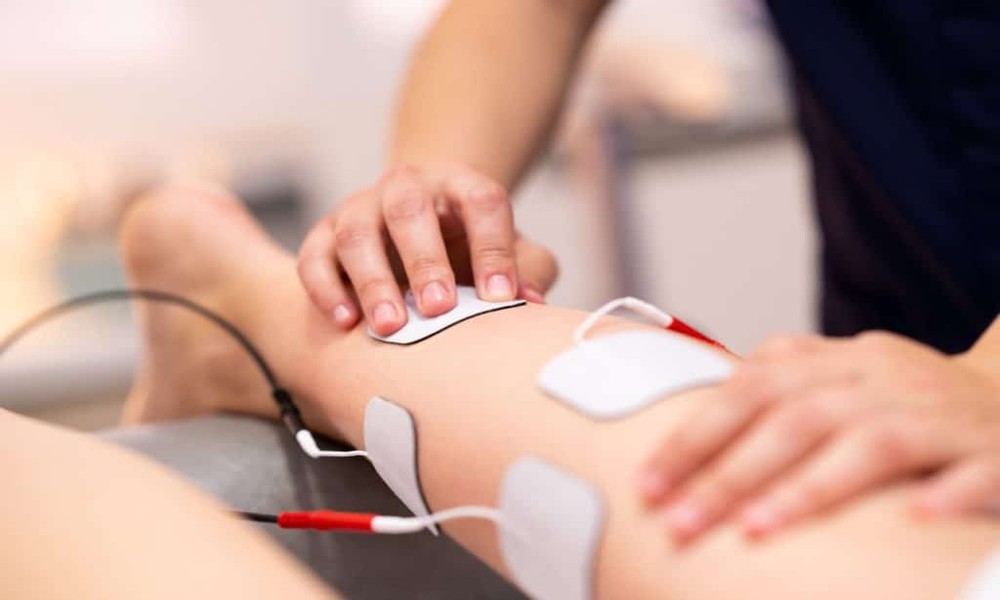
Electrotherapy is a widely used treatment method in physiotherapy, sports medicine, and rehabilitation clinics across the UK. By applying controlled electrical stimulation to muscles, nerves, or tissues, electrotherapy equipment can help reduce pain, improve circulation, and support faster recovery. As technology advances, modern electrotherapy devices have become more versatile, safe, and effective, offering clinicians additional tools to enhance patient outcomes.
What Is Electrotherapy?
Electrotherapy refers to a range of therapeutic treatments that use electrical energy to stimulate the body. Common applications include:
- TENS (Transcutaneous Electrical Nerve Stimulation): Helps manage pain by sending low-voltage electrical pulses through the skin.
- EMS (Electrical Muscle Stimulation): Encourages muscle contraction for rehabilitation or strengthening purposes.
- Interferential Therapy: Uses medium-frequency currents to reduce inflammation and promote healing.
- Microcurrent Therapy: Applies very low intensity currents to accelerate tissue repair.
These treatments are widely adopted in clinics for both acute injuries and chronic conditions.
Key Benefits for Clinics and Patients
Electrotherapy equipment offers several advantages that make it a valuable addition to modern clinical practice:
- Pain Relief: Electrical stimulation can help block pain signals and trigger endorphin release, providing non pharmaceutical pain management.
- Enhanced Recovery: EMS and microcurrent therapies can support muscle repair and tissue regeneration after injury or surgery.
- Improved Circulation: Certain electrotherapy modalities promote blood flow, helping reduce swelling and accelerate healing.
- Customisable Treatment: Modern devices allow therapists to adjust intensity, frequency, and duration to meet individual patient needs.
- Non-Invasive Option: Electrotherapy offers an alternative or complement to medication, reducing reliance on pharmaceuticals.
By integrating these benefits into treatment plans, clinics can enhance patient satisfaction and outcomes.
Considerations When Choosing Electrotherapy Equipment
Selecting the right devices for a clinic requires careful thought:
- Safety Features: Look for machines with built-in protections, such as current limiters and patient monitoring.
- Ease of Use: Devices should be intuitive for clinicians to operate and adjust quickly during treatments.
- Versatility: Multi-function units allow clinics to provide a wider range of therapies without investing in multiple devices.
- Quality and Certification: Equipment should meet UK safety standards and carry appropriate certifications to ensure reliability.
- Patient Comfort: Ergonomic designs and adjustable settings improve patient compliance and comfort during treatment.
Investing in suitable equipment ensures both effective treatment and efficient clinic operations.
Frequently Asked Questions
Is electrotherapy safe for all patients?
While generally safe, electrotherapy is not recommended for individuals with pacemakers, certain skin conditions, or epilepsy. Clinicians should assess suitability before treatment.
How long does an electrotherapy session typically last?
Sessions usually range from 10 to 30 minutes, depending on the therapy type and treatment goals.
Can electrotherapy replace physical therapy?
Electrotherapy is most effective as part of a broader treatment plan, complementing exercises, manual therapy, and lifestyle interventions.
Do clinics need special training to use these devices?
Yes. Proper training ensures safe and effective use, maximising patient outcomes while reducing risk.
Final Thoughts
Electrotherapy equipment provides a versatile, non-invasive option for clinics aiming to enhance patient care. By improving pain management, supporting tissue repair, and increasing treatment customisation, these devices help practitioners deliver better outcomes efficiently.
For modern UK clinics, integrating electrotherapy into treatment protocols is both practical and beneficial, offering patients effective solutions that complement traditional rehabilitation approaches.




-
Top 10 Cosmetic Dentists in London for Complex, Coordinated Smile Planning
A complex cosmetic case is not defined by the number of procedures ... -
-
-
-