TAVI vs Open Heart Surgery: Understanding the Difference in Aortic Valve Treatment
Severe aortic stenosis can make ordinary activities increasingly difficult, causing breathlessness, chest discomfort, dizziness or unusual tiredness. When treatment is required, patients are often presented with two broad approaches: transcatheter aortic valve implantation and surgical aortic valve replacement.
Both treatments replace the diseased aortic valve. The main differences are how the new valve is delivered, what recovery involves and which option best fits the patient’s overall condition.
What Happens During TAVI?
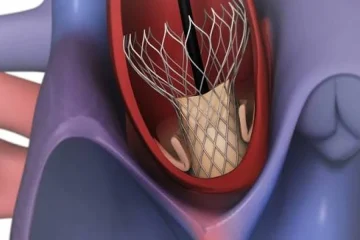
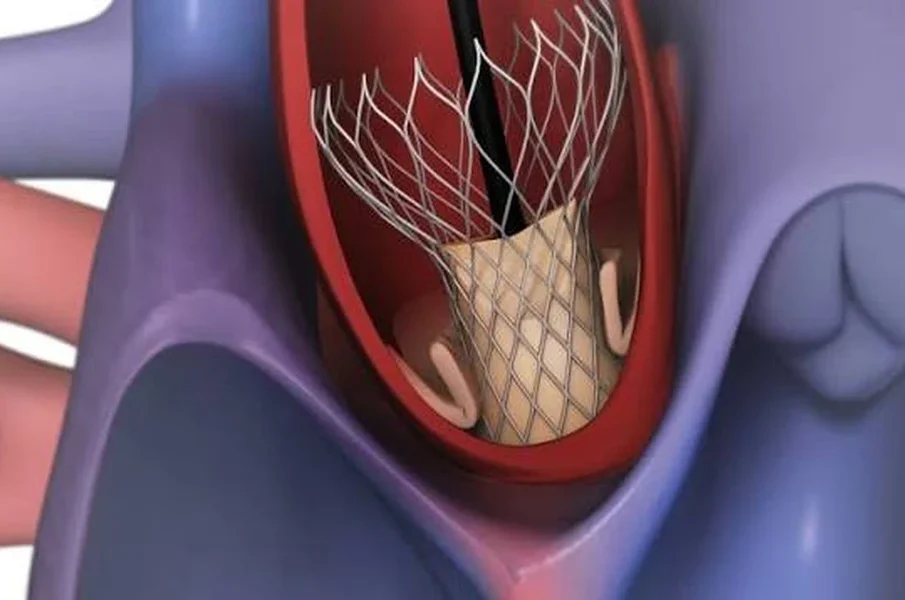
The TAVI procedure replaces the diseased aortic valve using a catheter rather than a large chest incision. In most patients, the catheter is introduced through an artery in the groin. A replacement valve mounted on a collapsible frame is guided to the heart, positioned within the narrowed native valve and expanded into place.
The old valve is not usually removed. Instead, the new valve pushes the diseased leaflets aside and immediately takes over the job of regulating blood flow from the heart to the body.
Because the chest is not opened in the same way as conventional surgery, TAVI generally involves less surgical trauma, earlier mobilisation and a shorter hospital stay when recovery is uncomplicated.
What Happens During Open Heart Valve Surgery?
Surgical aortic valve replacement is performed through an operation that gives the surgeon direct access to the heart. The diseased valve is removed and replaced with a mechanical or biological prosthetic valve. In many cases, the operation requires a sternotomy, in which the breastbone is divided to reach the heart, although minimally invasive surgical approaches are possible for selected patients.
Surgery remains an essential and highly effective treatment. It may be preferred when a patient is younger, has anatomy that is less suitable for TAVI, needs another cardiac operation at the same time, or requires a treatment strategy that takes several decades of future valve management into account.
How Do Recovery Times Differ?
Recovery is one of the most noticeable practical differences between the two approaches. TAVI usually avoids a large chest incision, so patients do not have a sternotomy wound or breastbone healing period. This can allow earlier walking, shorter hospitalisation and a quicker return to normal daily activity.
Recovery after open surgery is generally longer because the chest and surgical tissues need time to heal. Patients may require several weeks before returning to many routine activities, depending on age, fitness and whether other procedures were performed at the same time.
A faster recovery does not automatically make one treatment better. The right choice depends on whether the procedure is clinically suitable and likely to serve the patient well over the long term.
Who Is More Likely to Be Considered for TAVI?
TAVI was first used mainly for patients considered too high risk for surgery. Its role has expanded substantially, and current valve guidelines place strong emphasis on age, anatomy, life expectancy, patient preference and lifetime treatment strategy rather than surgical risk alone.
Older adults with severe symptomatic aortic stenosis and suitable anatomy are frequently evaluated for TAVI. Patients who have previously undergone cardiac surgery or who have conditions that make a major operation more difficult may also benefit from a catheter-based approach.
Anyone considering TAVI in Mumbai should expect detailed imaging and multidisciplinary assessment before a recommendation is made. CT measurements, echocardiography, coronary assessment, kidney function and the condition of the access arteries all help determine whether the procedure can be performed safely.
When Might Surgery Be Preferred?
Open surgery may be more appropriate when the valve anatomy or surrounding structures create technical limitations for TAVI. Surgery can also be useful when a patient requires coronary bypass surgery, treatment of the aorta, repair or replacement of another valve, or another procedure that can be completed during the same operation.
Younger patients require particularly careful planning. A valve replacement decision made today may affect treatment options decades later. The Heart Team therefore considers durability, the possibility of future valve-in-valve procedures, coronary access and the sequence in which future treatments might be performed.
What About the Risks?
Neither treatment is risk free. Potential TAVI complications include bleeding or injury at the vascular access site, stroke, kidney injury, leakage around the replacement valve and heart rhythm problems that may require a pacemaker. Surgical valve replacement carries risks associated with major surgery, including bleeding, infection, stroke, kidney problems, rhythm disturbances and a longer physical recovery.
Risk is individual, so comparing procedures only by a generic complication list can be misleading.
Why Pre-Procedure Assessment Matters
A careful pre-operative TAVI assessment helps the team understand the size and shape of the aortic valve, the location of the coronary arteries, the condition of the aorta and blood vessels, and whether there are other heart problems that may influence treatment.
The same principle applies before surgery. Good treatment decisions begin with accurate diagnosis and detailed planning, not with choosing a procedure based only on the size of the incision.
The Role of the Heart Team
Modern valve care is built around a multidisciplinary Heart Team. Interventional cardiologists, cardiac surgeons, imaging specialists and other clinicians review the same information from different perspectives. The aim is to identify the option that offers the best balance of safety, effectiveness, recovery and long-term value for that particular patient.
The Bottom Line
TAVI and open heart surgery are not competing treatments where one is universally superior. They are different ways of solving the same serious problem. TAVI offers a catheter-based route with less surgical trauma and often faster recovery, while surgery remains indispensable for many younger patients, complex anatomies and people who need additional cardiac procedures.
The most useful question is therefore not “Which procedure is better?” but “Which procedure is better suited to this patient, at this stage of life, with this anatomy and long-term treatment plan?” A structured Heart Team discussion can provide that answer and help patients make a well-informed decision.





-
TAVI vs Open Heart Surgery: Understanding the Difference in Aortic Valve Treatment
Severe aortic stenosis can make ordinary activities increasingly difficult, causing breathlessness, chest ... -
-
-
-