Pre- and Post-Care Guidelines for Laser Skin Treatment
Key Takeaways
- Outcomes from laser skin treatment depend as much on preparation and aftercare as on the device used.
- Facelift laser treatment requires conservative pre-treatment skin conditioning to reduce inflammation risk.
- Sun exposure, active skincare ingredients, and recent procedures must be managed before treatment.
- Post-treatment care focuses on barrier repair, infection prevention, and pigment control.
- Non-compliance with aftercare instructions is a common cause of delayed healing and uneven results.
Introduction
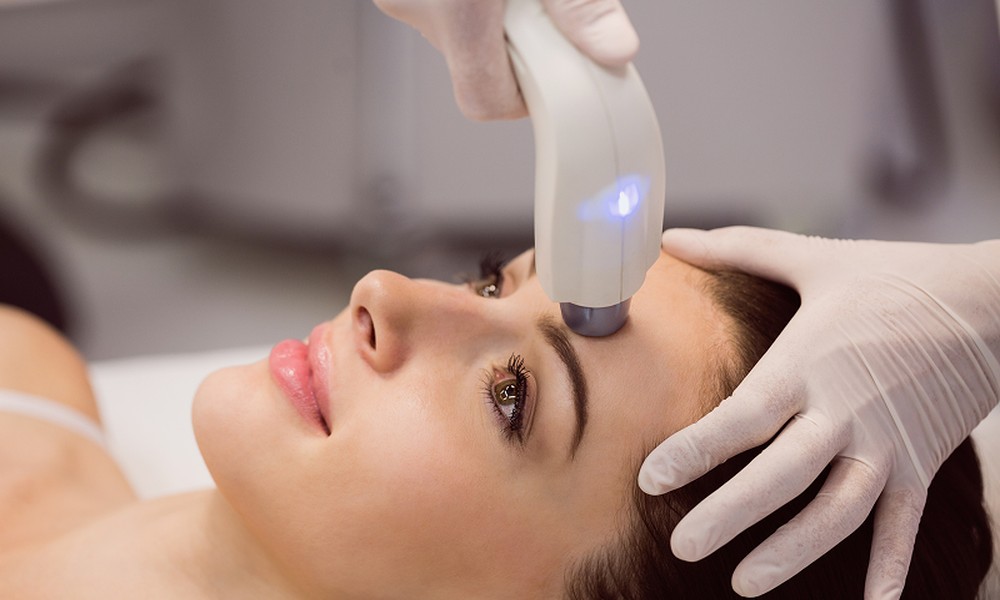
Laser-based procedures are widely used to address texture irregularities, early laxity, pigmentation, and overall skin quality. While the technology behind laser skin treatment is clinically established, outcomes are closely tied to how the skin is prepared beforehand and managed during recovery. Pre- and post-care protocols are not optional add-ons; they are part of the treatment itself. This approach applies equally to lighter resurfacing sessions and more intensive facelift laser treatment approaches, like a Fotona 4D Laser, aimed at skin tightening and collagen remodelling.
Pre-Treatment Skin Assessment and Planning
A structured skin assessment is required before any laser session. This assessment includes reviewing skin type, baseline sensitivity, pigmentation risk, and any history of post-inflammatory hyperpigmentation. Recent sun exposure, tanning, or active dermatitis increases complication risk and should delay treatment. Practitioners, for facelift laser treatment in particular, assess skin thickness and laxity to determine appropriate energy settings and treatment depth.
Patients should disclose recent aesthetic procedures, including injectables, chemical peels, microneedling, or energy-based treatments. Stacking procedures too closely can compromise healing capacity. A straightforward treatment timeline reduces cumulative inflammation and avoids overlapping recovery phases.
Skincare Adjustments Before Laser Skin Treatment
Most protocols require stopping retinoids, exfoliating acids, and abrasive treatments five to seven days before laser skin treatment. These products thin the stratum corneum and increase the likelihood of excessive erythema or prolonged downtime. Pre-treatment use of pigment-stabilising agents may be advised for patients prone to pigmentation, but only under expert guidance.
Hydration and barrier stability are prioritised. Simple, fragrance-free cleansers and moisturisers help normalise the skin before energy delivery. Shaving or waxing in the treatment area should be avoided immediately before sessions to prevent micro-abrasions that can react unpredictably to laser energy.
Day-of-Treatment Considerations
The skin should be clean and free of makeup, sunscreen, or occlusive products on the day of treatment, unless directed otherwise. Active infections, cold sores, or open lesions require postponement. Protective measures such as eye shields and cooling protocols are used for facelift laser treatment to limit collateral thermal exposure.
Patients should expect transient redness, warmth, or mild swelling immediately after treatment. These responses are physiological and indicate a controlled tissue response rather than complications.
Immediate Post-Treatment Care
The first 48 hours after laser skin treatment are focused on calming inflammation and supporting epidermal repair. Cleansing should be minimal and gentle. Occlusive or heavy products are generally avoided unless prescribed. Ice packs or cooling masks may be used briefly to manage discomfort, but aggressive cooling is not recommended.
Sun avoidance is critical. Broad-spectrum sunscreen is mandatory once the skin surface has stabilised, even for indoor exposure. Heat, exercise, saunas, and alcohol can prolong redness and should be restricted during the early recovery phase.
Ongoing Recovery and Skin Maintenance
Moisturisation remains central to reducing transepidermal water loss as healing progresses. Peeling or flaking should not be manually removed, as this increases pigment disruption risk. Active ingredients are reintroduced gradually, often starting with barrier-supportive formulations before returning to corrective products.
Results for facelift laser treatment develop progressively as collagen remodelling occurs over weeks. Maintenance sessions and consistent skincare determine durability more than any single treatment session. Patients should report persistent redness, blistering, or pigment changes promptly, as early intervention reduces long-term complications.
Conclusion
Pre- and post-care protocols are integral to safe and predictable laser outcomes. Whether undergoing targeted resurfacing or facelift laser treatment, disciplined preparation and recovery management protect skin integrity and reduce avoidable risks. Laser skin treatment is a controlled process that extends beyond the treatment room, and outcomes reflect adherence to these clinical guidelines rather than device choice alone.
Visit Halley Medical Aesthetics and let us guide you on how to prepare or recover safely after a laser treatment.





-
Building Better Habits: A Practical Framework for Long-Term Lifestyle Change
Habits do not form through intention – they form through repetition executed ... -
-
-
-